Building electrification
Transition to efficient electric alternatives with expert guidance from Efficiency Works.
Make the switch to electric
Reduce your reliance on fossil fuels and transition to efficient electric options.
What is building electrification?
Building electrification simply means replacing equipment and appliances that use fossil fuels with systems that use electricity.
Every home is unique and each electrification journey will look different. We recommend starting with an assessment, then continuing to take advantage of our free advising services as you move forward.

Learn about the journey


this browser not support pdf embed, please download the pdf to view it...
What are the benefits of electrifying my home?
Building electrification supports healthier and safer living and working environments by replacing fossil fuel-based systems with cleaner, more efficient electric alternatives. When combined with energy efficiency measures like insulation and weatherization, upgrading to efficient electrical equipment can lead to significant energy savings. These improvements also help reduce greenhouse gas emissions from your home, contributing to a more sustainable future.

What are ways to electrify?
There are a variety of ways to electrify a building, a few of which are highlighted below. When evaluating electrification, there are a number of things to consider, most commonly the size of electric panel currently installed. Common approaches to building electrification and things to consider:

Electrify heating and cooling with heat pumps
Consider replacing your current furnace with a heat pump that can warm your home in Winter and cool it in Summer. Heat pumps come in a variety of forms to suit your homes needs, learn more about heat pumps here.
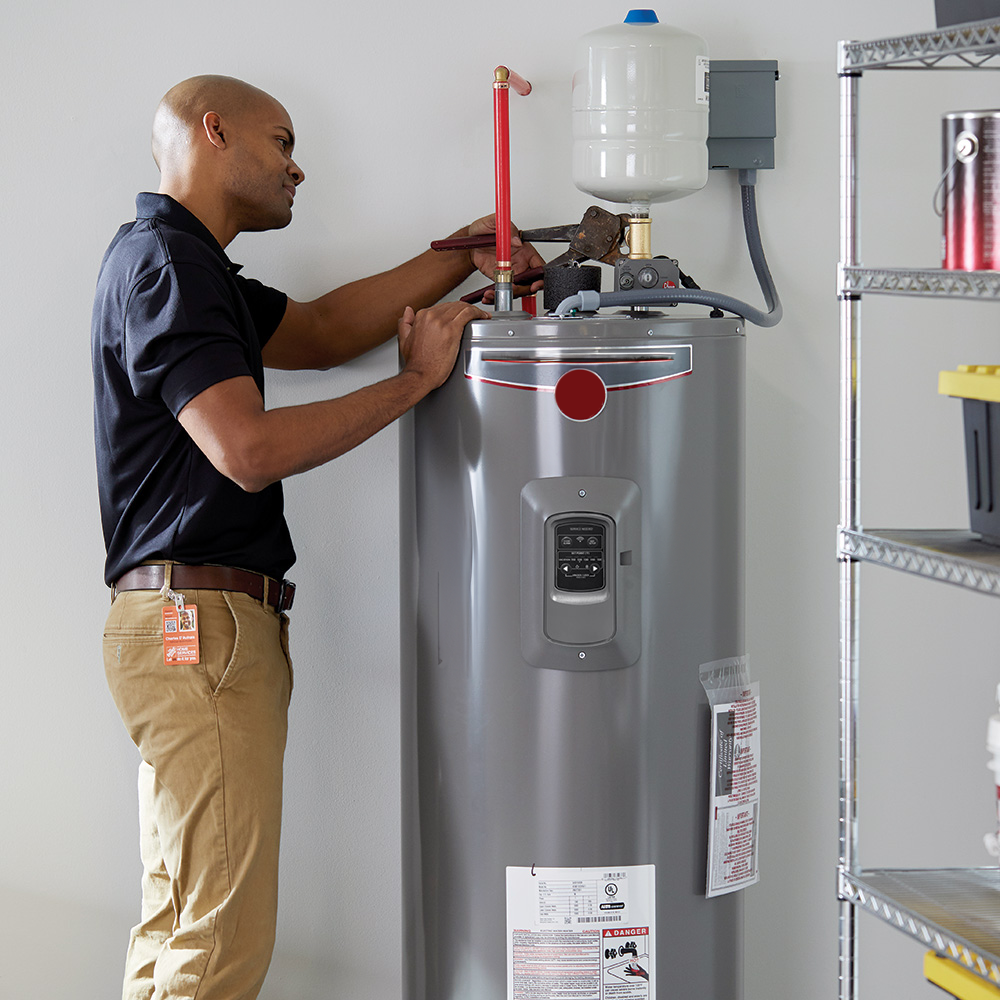
Electrify your water heater with a heat pump water heater
Consider replacing your current water heater with a heat pump water heater for maximized efficiency. Learn more about heat pump water heaters here.
Electrify appliances such as stoves to efficient induction stoves
Induction stoves require compatible pots and pans. If a magnet sticks to the bottom of your current pots and pans, they are induction compatible. Learn more about induction stoves here.
Electrify gas dryers with heat pump dryers
An electric panel upgrade may be required to electrify certain items.
Electrify your transportation with an EV
Going electric?
Know your local rates
Find electricity rates for residential customers in your community and see how they impact your energy costs.

Residential electrification FAQs
What is a heat pump?
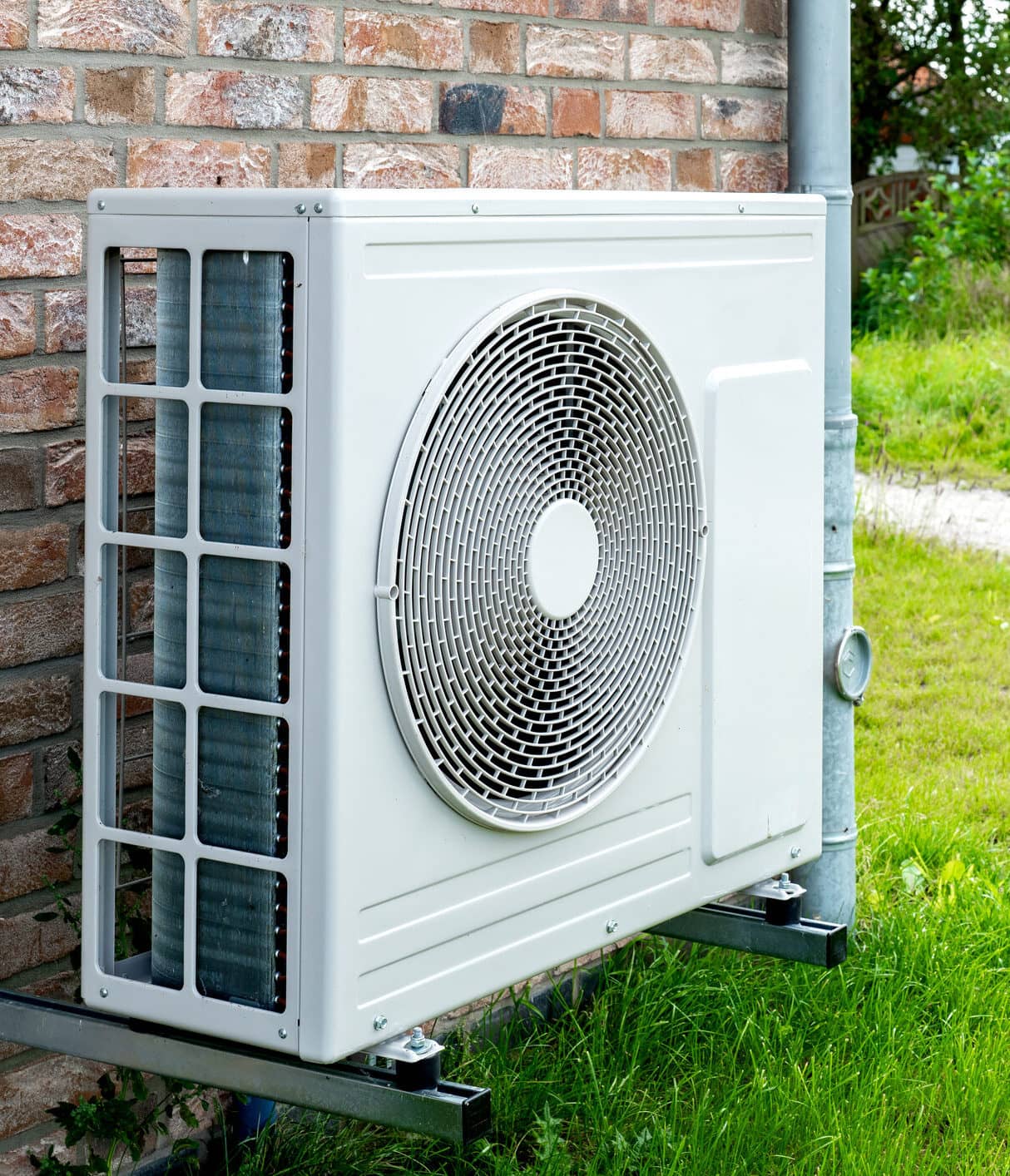
Heat pumps offer an energy-efficient alternative to furnaces and air conditioners for all climates. Using electricity to transfer heat rather than generate it, they efficiently heat your home in winter by pulling warmth from the outdoors and cool it in summer by moving heat outside. Additionally, heat pump technology can replace fossil fuel and electric resistance water heaters.
What is the efficiency difference between electric and gas?
Many gas furnaces max out their efficiency at around 95% Annual Fuel Utilization Efficiency (AFUE). This means they consume 95% of the fuel burned in the unit. Heat pumps do not generate heat but instead move heat around using the refrigeration cycle measured as a Heating Seasonal Performance Factor (HSPF).
What is the cost difference to operate a heat pump versus a gas furnace?
For most existing homes that install a new heat pump system, the heating costs associated with the heat pump may be slightly higher if the home is utilizing natural gas. Homes switching to heat pumps from propane or electric resistance sources will typically see a reduction in operational costs. Making sure the new heat pump is a high-efficiency unit can save on cooling costs in the warmer months.
Are there different types of heat pumps?
There are two different types of heat pump systems for heating and cooling your home or business, a dual fuel system and a cold climate heat pump. The classic example is a furnace that has a heat pump installed just like a traditional air conditioner. The heat pump provides heating capacity through its rated temperature range and then the furnace kicks on to provide additional heat when the temperatures get too low for the heat pump. This application typically has mid-efficiency heat pumps that can only heat down to 15-25 F effectively. Cold climate heat pumps, however, can provide heating down to -5 degrees or colder and are often the sole heat source in homes.
Do heat pumps work in the winter?
When designed and installed properly cold climate heat pumps perform well in cold temperatures.

Other helpful electrification resources for homeowners
Efficiency Works
Rewiring America