
Building envelope improvements
The foundation of energy performance, comfort and durability
Make building envelope improvements
Learn all about building envelope improvements for your home or your business.
What are building envelope improvements?
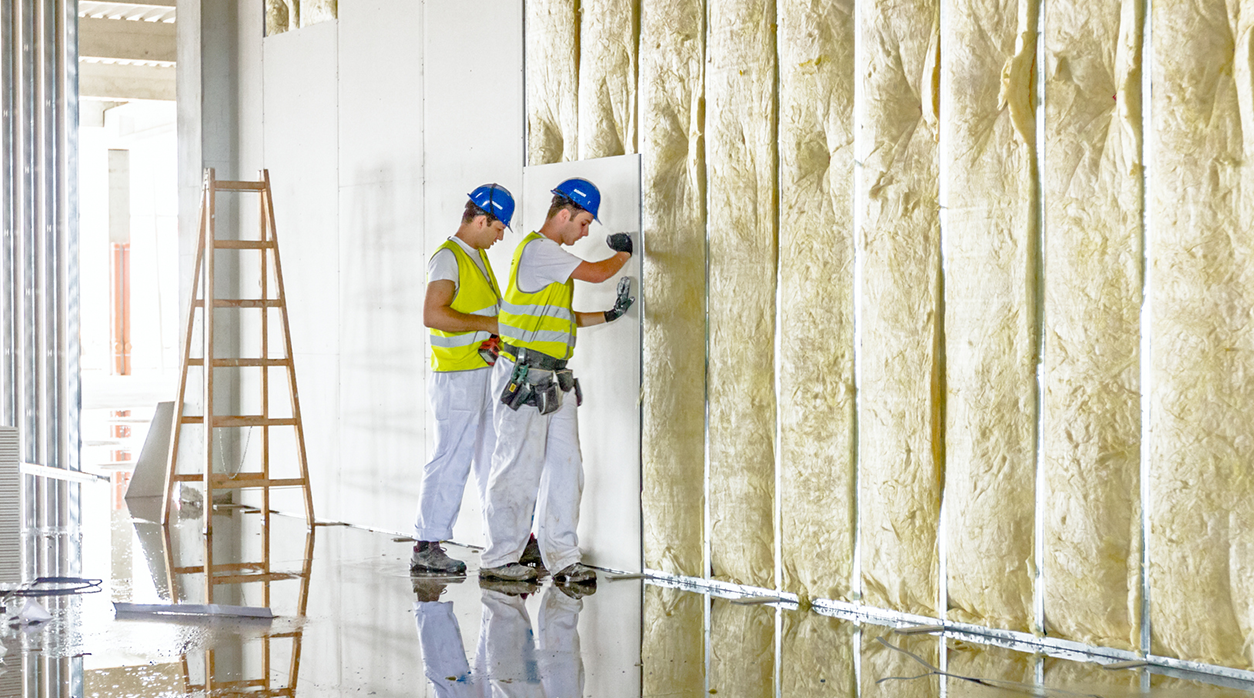
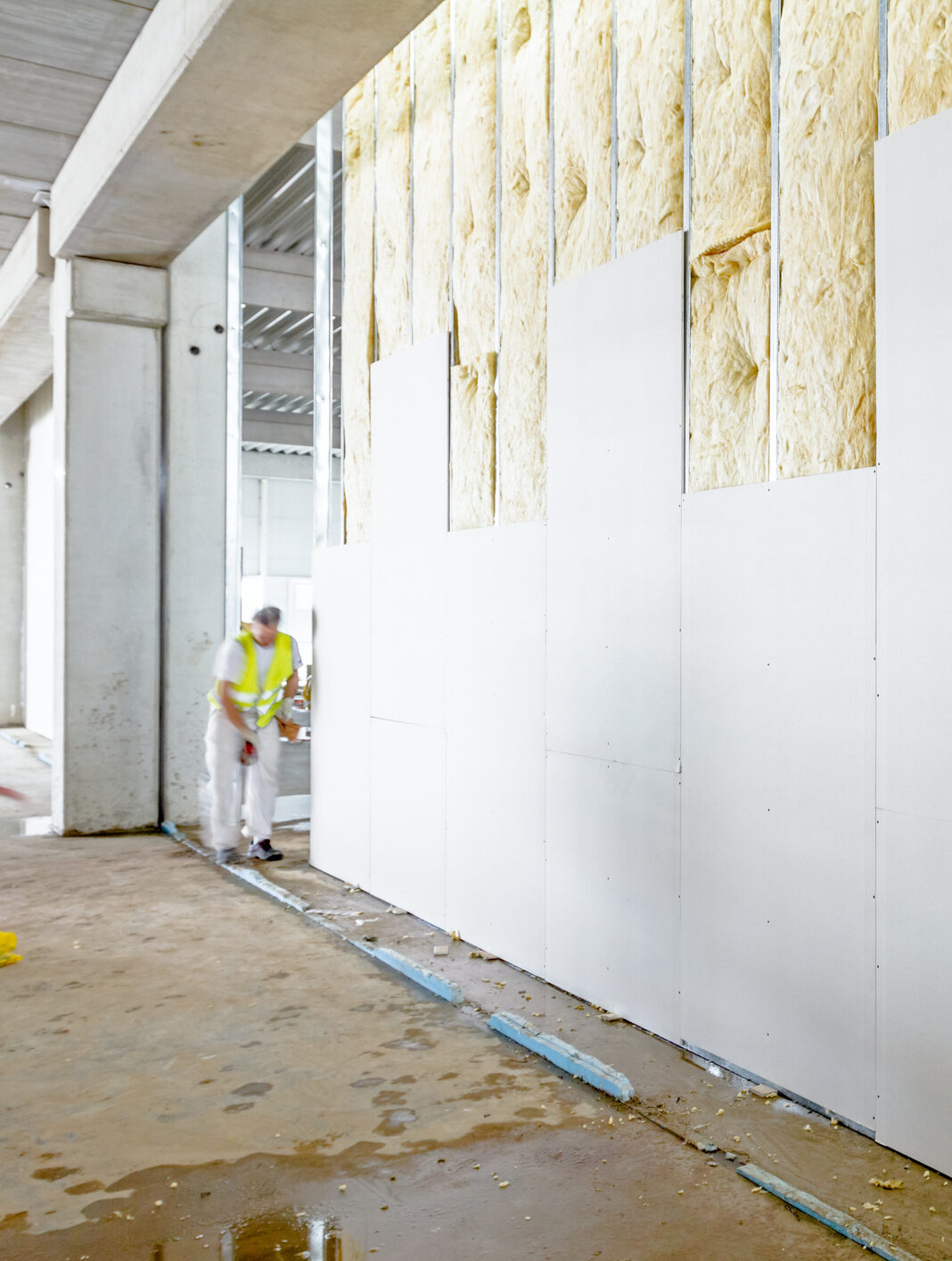
In commercial buildings, building envelope improvements focus on upgrading the physical components that separate a building’s interior from the outdoor environment. The envelope includes walls, roofs, windows, doors, insulation, foundations and air‑sealing elements. Common envelope improvements include:
- Adding or upgrading roof or wall insulation
- Sealing building air leaks
- Installing ENERGY STAR® high‑performance windows and doors
- Improving window and door seals
- Adding reflective or cool roofing materials
- Enhancing moisture control
These upgrades help reduce unwanted heat transfer, prevent drafts and improve overall building efficiency and comfort.
Why upgrade a commercial building’s envelope?
A high-performing building envelope plays a major role in a commercial building’s energy performance and occupant comfort. Benefits include:

Lower energy use
Reducing heat loss and air infiltration decreases heating and cooling demand.
Lower operating costs
Better insulation and tight air sealing help HVAC systems run more efficiently and cycle less often.
Improved comfort and indoor air quality
Envelope improvements reduce drafts, temperature fluctuations and moisture issues.
Supports sustainability and emissions goals
Reduced energy use supports carbon reduction goals.
Longer equipment life
With less heating and cooling demand, HVAC systems experience less wear and tear.
How can a building’s envelope be improved?
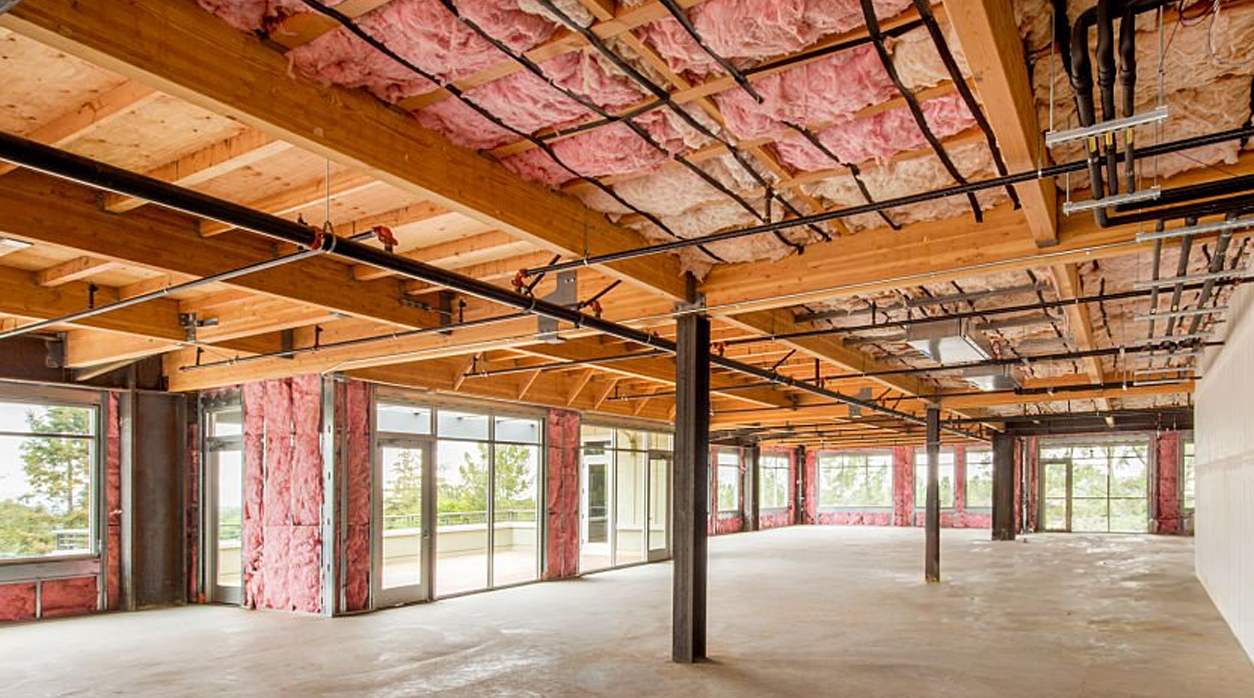
Building envelope improvements can be implemented during new construction, major renovations or targeted retrofit projects. Common strategies include sealing gaps and cracks to reduce air leakage, upgrading wall and roof insulation, installing ENERGY STAR® or high‑performance windows, improving door seals and adding reflective or cool roofing materials. Proper installation and coordination with HVAC upgrades maximize overall performance.
Explore building envelope solutions
FAQs
What types of buildings benefit most from envelope improvements?
Most commercial buildings benefit, especially older facilities with outdated insulation, leaky windows or poor air sealing. Office buildings, schools, healthcare facilities, retail spaces, warehouses and multifamily properties often see significant energy and comfort improvements from envelope upgrades.
How do envelope improvements affect heating and cooling systems?
By reducing heat loss in winter and heat gain in summer, envelope improvements lower heating and cooling demand. This allows HVAC systems to operate more efficiently, cycle less often and potentially be downsized during future replacements – reducing both energy use and maintenance costs.
What is air sealing, and why is it important?
Air sealing reduces uncontrolled airflow by closing cracks, gaps and penetrations in the building. This improves comfort, reduces energy waste and helps maintain consistent indoor temperatures.
Why invest in high‑performance windows?
High‑performance windows reduce heat transfer, limit drafts, and improve occupant comfort – especially near exterior walls. They also reduce glare and UV exposure while helping stabilize indoor temperatures, contributing to long‑term energy savings and improved building performance.
Do envelope improvements support sustainability goals?
Yes. Reducing energy use and improving HVAC system operations help lower greenhouse gas emissions and energy demand. These upgrades are a foundational step in decarbonization and electrification strategies for commercial buildings.
Are incentives available for building envelope upgrades?
Yes! Efficiency Works and other Colorado utility partners offer rebates for qualifying envelope improvements, such as insulation upgrades and energy‑efficient windows. Incentives help reduce upfront costs and improve project payback.
For eligible commercial electric customers, Efficiency Works Business incentives can be found here.
Additional resources from Colorado utility partners can be found here.

