LED lighting
Discover how LED technology transforms everyday lighting
Make the switch to LED lighting
Learn all about LED lighting for your home or your business.
What is LED lighting?
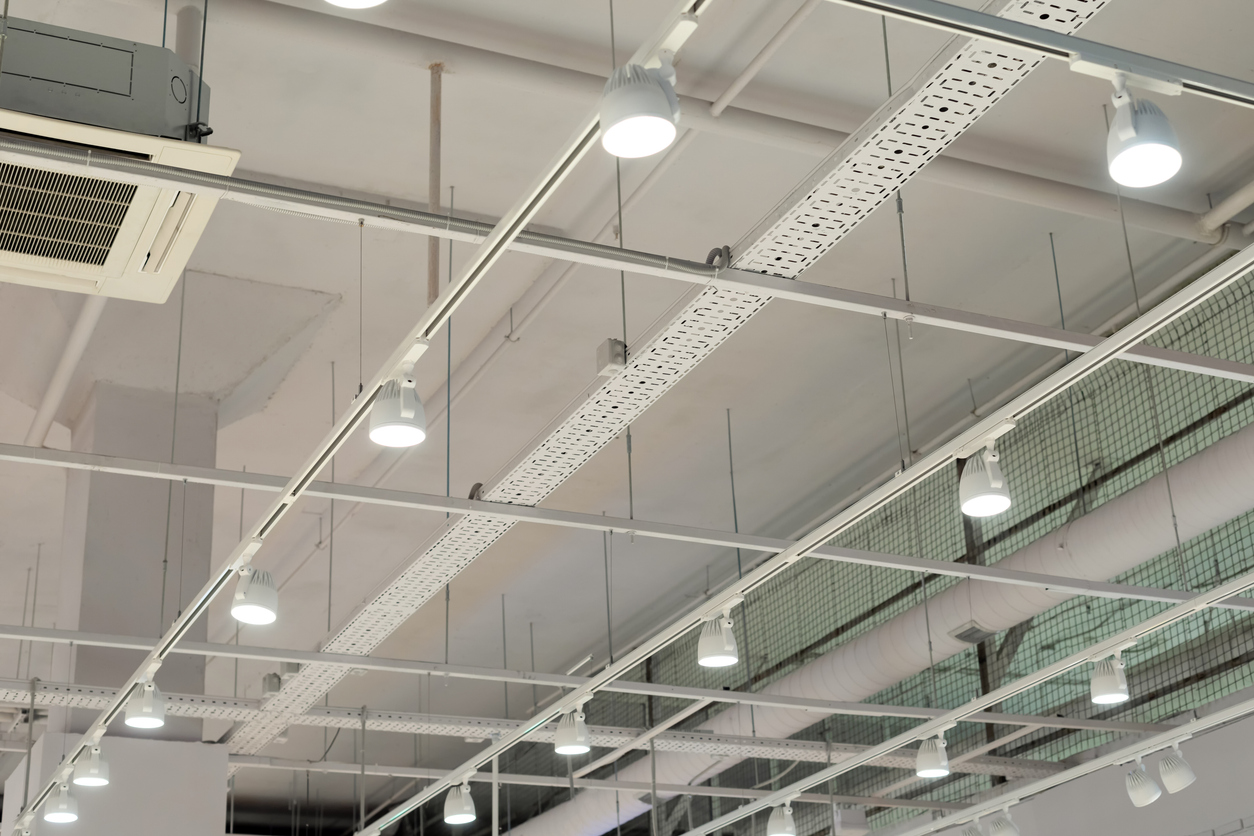
Commercial LED (Light Emitting Diode) lighting uses advanced semiconductor technology to provide high‑efficiency illumination for office buildings, retail spaces, warehouses, industrial facilities, parking structures and outdoor spaces. Unlike incandescent or CFL bulbs, which lose much of their energy as heat, LEDs convert most of their energy directly into light. This results in dramatically reduced energy consumption and improved safety.
LEDs offer superior performance, precise light distribution and extended service life, making them ideal for both indoor and outdoor commercial environments. Businesses benefit from reduced operating costs, improved visibility lighting solutions that support energy and sustainability initiatives.
Why switch to LED lighting?

Efficiency & cost savings
LEDs reduce electricity consumption, lowering utility bills. Fewer lamp replacements and lower maintenance requirements translate into long-term savings for commercial facilities.
Performance & comfort
LEDs offer consistent output, high-quality color rendering and improved lighting quality for occupants. They enhance visual comfort in office spaces, customer‑facing environments and high‑precision work areas.
Controls & smart integration
Commercial LEDs easily integrate with advanced lighting controls. This enables automation and data‑driven energy management.
Sustainability & ESG alignment
Upgrading to LEDs helps businesses meet sustainability and ESG commitments by lowering carbon emissions and operational energy demand.
How to use LED lighting
LED options are available for nearly all commercial and industrial lighting applications, making retrofits straightforward and cost-effective. In many cases, LED technology expands the design possibilities beyond what older lighting types could offer. Common LED applications include:
- Office spaces: LED panels, troffers, task lights
- Retail: track lighting, spotlights
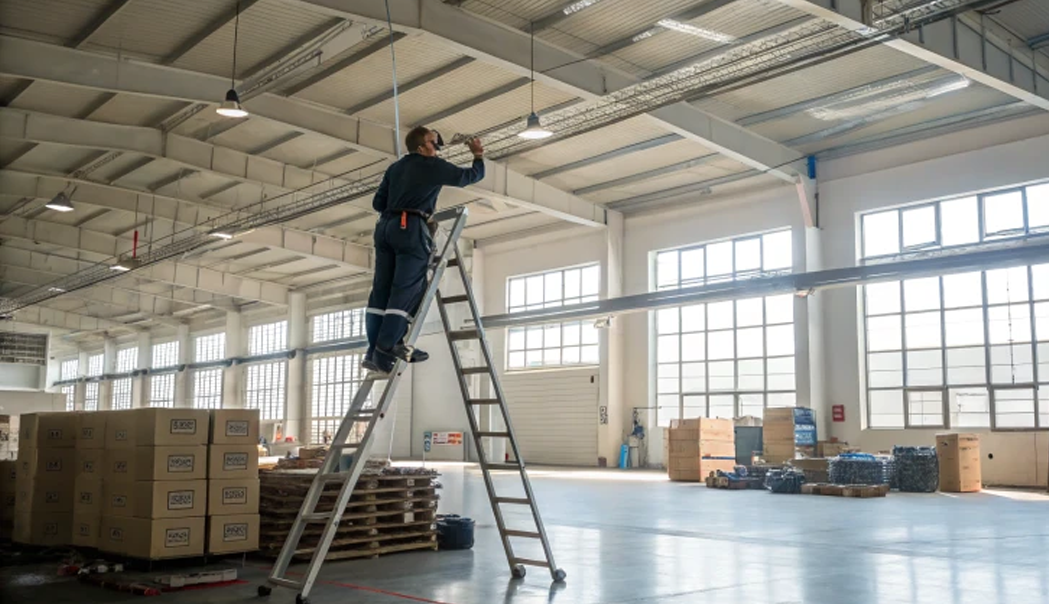
- Warehouses & industrial facilities: high bay LED fixtures
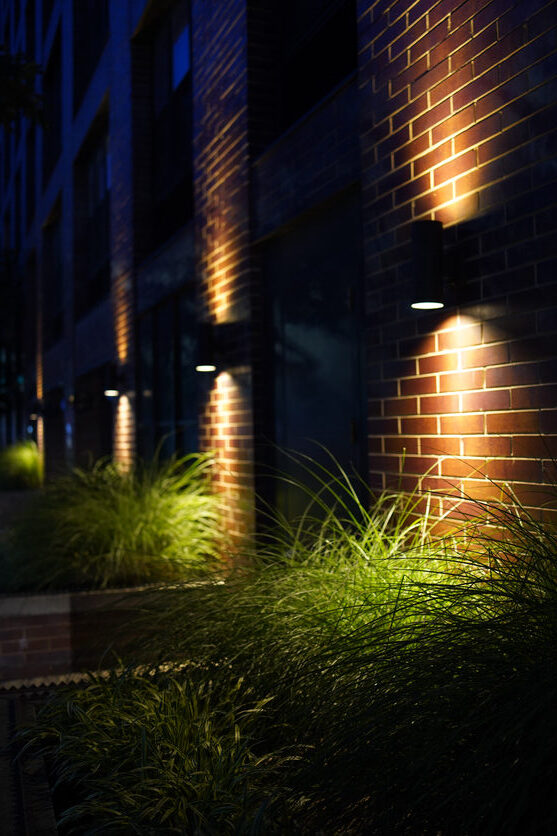
- Parking lots & garages: Outdoor-rated LED area luminaires
Modern LED systems integrate with lighting controls such as occupancy sensors, daylight harvesting, timers and networked lighting management platforms. These tools help optimize energy use and provide deeper insight into facility operations.

Start optimizing your facility's lighting!
Upgrade to LED lighting to reduce operating costs, improve building comfort and support your sustainability goals.
FAQs
Do LEDs reduce energy costs?
Yes. LEDs use up to 80% less energy than incandescent bulbs and 30-50% less than many fluorescents. In commercial facilities, savings can be even greater when LEDs are paired with occupancy sensors or advanced lighting controls.
How long do LED lights last?
LEDs typically last 15,000 to 50,000 hours, depending on product quality and operating conditions. In many homes and businesses, that can equal 10-20 years of regular use, significantly reducing replacement and maintenance needs.
Do LEDs contain hazardous materials?
No. LEDs do not contain mercury and have far fewer hazardous substances than CFLs or fluorescent lamps. This makes them safer to use and easier to dispose of responsibly. LEDs can be recycled through many community recycling programs and e‑waste centers. While they contain no mercury, recycling helps recover valuable components like aluminum and electronic chips.
Why do some LEDs flicker?
Flickering is usually caused by incompatible dimmers, poor quality drivers or unstable power supply. Choosing high quality LEDs, such as those rated by ENERGY STAR® or the Design Lights Consortium (DLC), using LED compatible dimmers will prevent most flicker issues.
Do LEDs work well in cold weather?
Yes. LEDs actually perform better in colder temperatures. This makes them ideal for freezers, outdoor lighting, garages and parking structures.
Are LEDs available in different colors and brightness levels?
Yes. LEDs come in a wide spectrum of color temperatures (warm, neutral, cool, daylight) and provide a broad range of brightness levels measured in lumens. Color-changing LEDs are also available for decorative use.
Can LEDs integrate with smart home/building systems?
Yes. Many LED products support smart controls, including wireless connectivity and scheduling. Commercial LEDs often include advanced control features such as wireless connectivity, occupancy sensing, and data analytics through networked lighting systems. These features help maximize energy savings and offer additional convenience and automation for homes and businesses.
Circle Graphics
Longmont
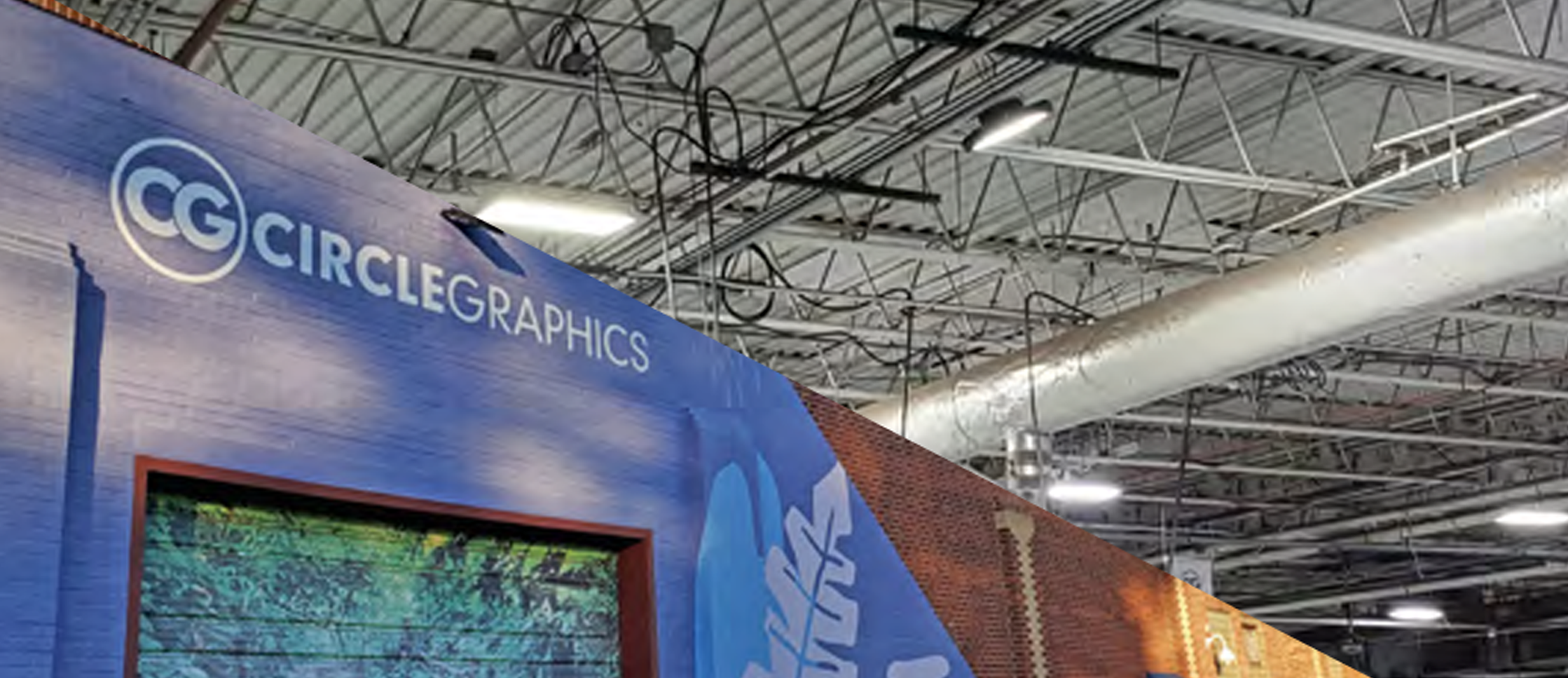
Circle Graphics needed help undertaking a facility-wide lighting upgrade for their 200,000 sq. ft. facility located in Longmont. They turned to Efficiency Works energy advising for assistance in finding the right partner and the most cost-effective way to accomplish the task.
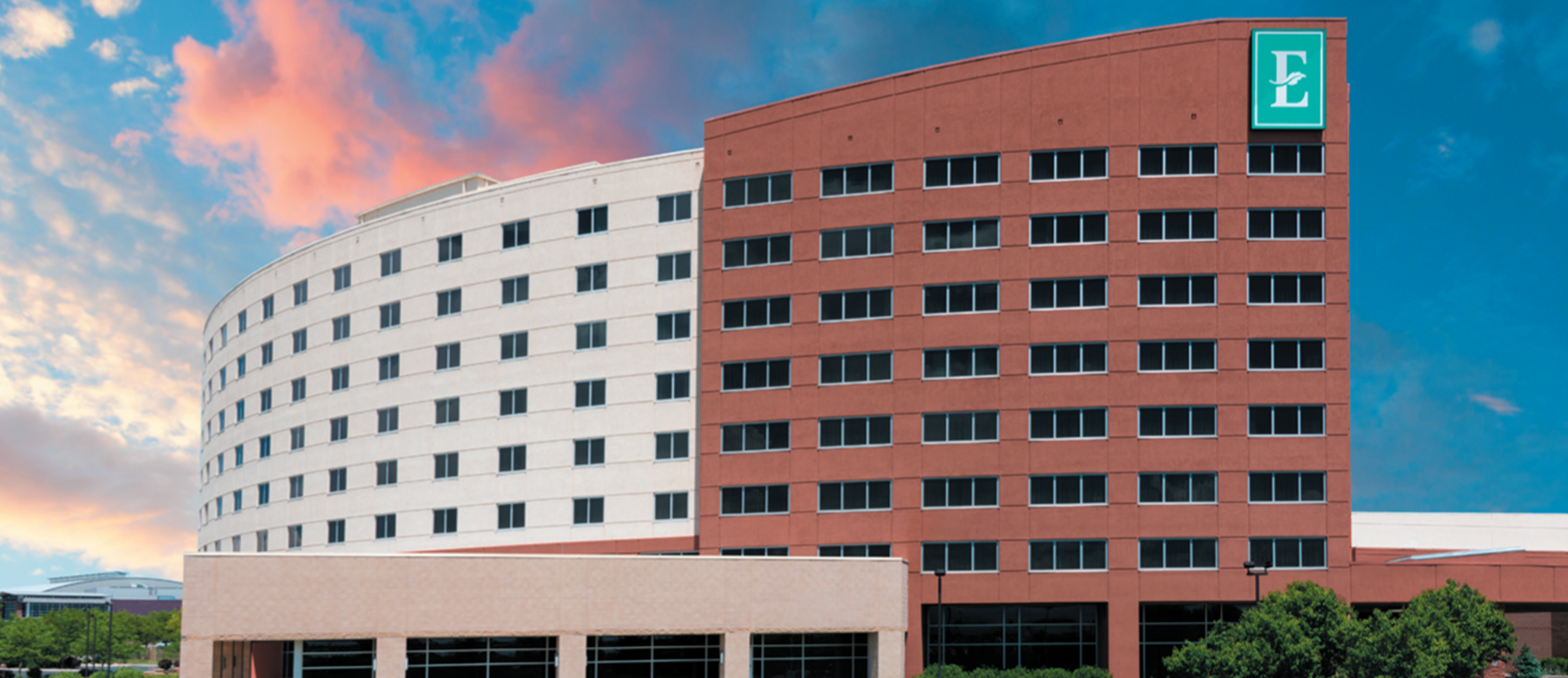
Embassy Suites
Loveland
Embassy Suites Loveland completed multiple efficiency projects in 2020 and 2021, saving more than $57,000 per year in energy costs and substantially decreasing regular maintenance expenses.
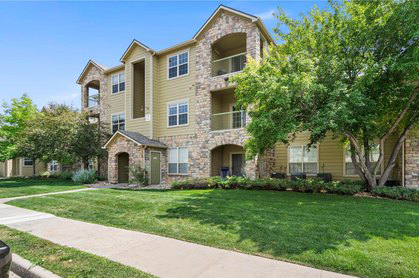
Fossil Creek
Fort Collins
Fossil Creek Condominiums is a multifamily property with 226 units settled in Fort Collins, CO. In 2025, the property worked with an Efficiency Works energy advisor to identify upgrade opportunities that would improve energy efficiency and add value to their property throughout the residential and common spaces.

