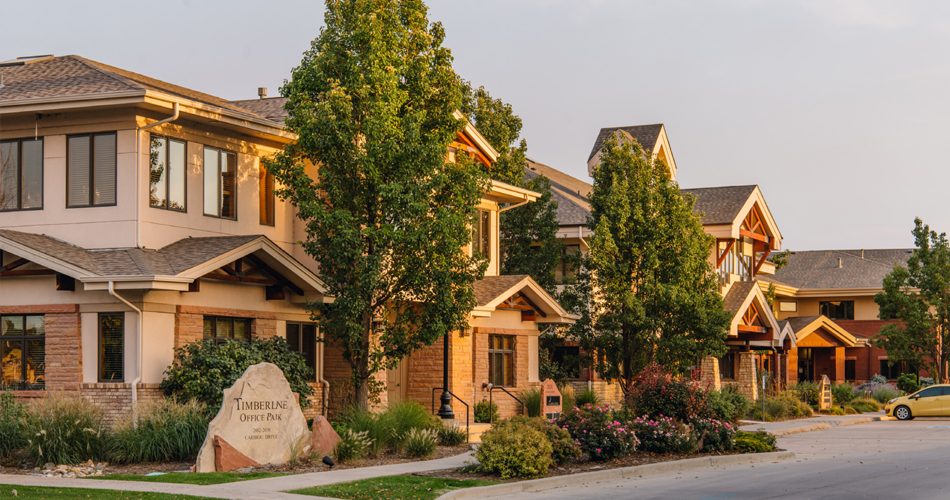
Building envelope improvements
The foundation of energy performance, comfort and durability
Make building envelope improvements
Learn all about building envelope improvements for your home or your business.
What are building envelope improvements?
Building envelope improvements focus on upgrading the physical components that separate your home’s interior from the outdoor environment. The building envelope includes walls, roofs, windows, doors, insulation, crawl spaces, basements, foundations and all the areas where air can leak into or out of the home. Common residential envelope upgrades include:
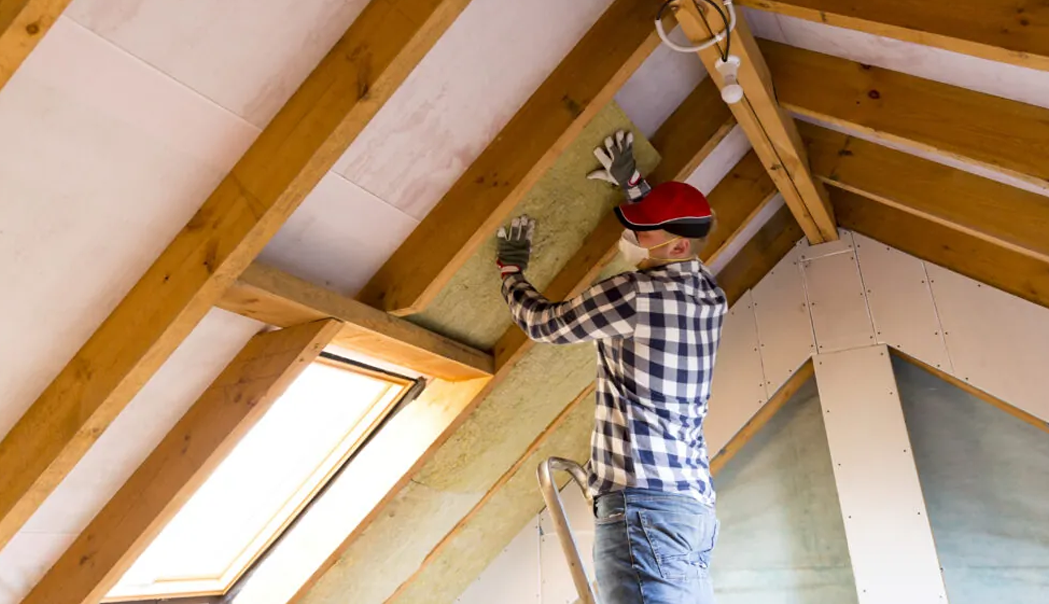
- Adding or improving attic, crawl space or basement insulation
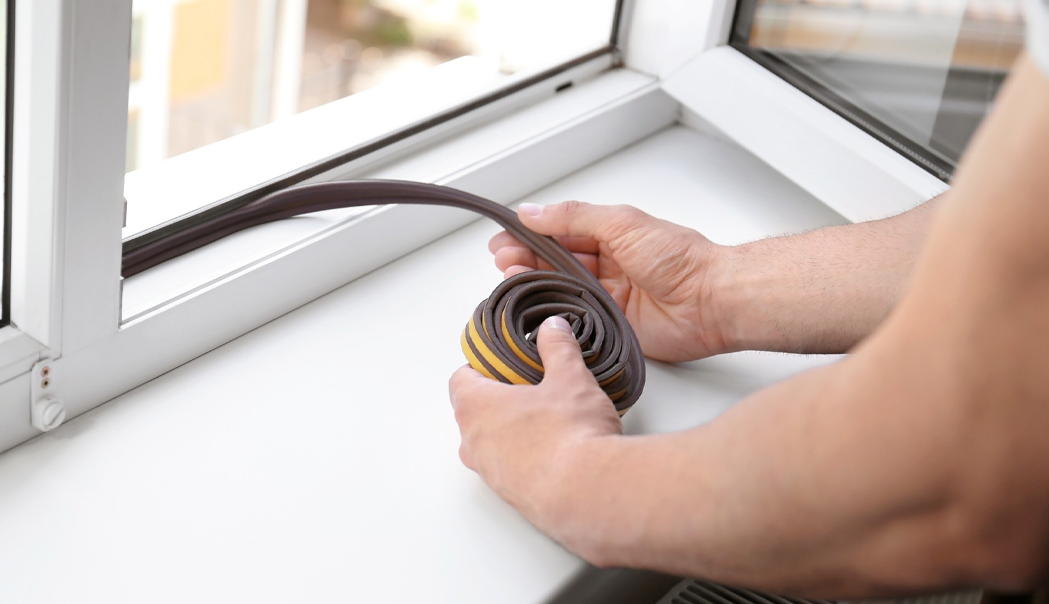
- Air sealing gaps, cracks and penetrations
- Installing high-performance windows or doors
- Insulating areas above unconditioned space (e.g., rooms above garage)
Together, these improvements reduce heat loss, prevent drafts and improve overall energy efficiency and comfort
Why upgrade a home’s building envelope?
A home’s envelope plays a significant role in energy performance. Poor insulation, air leaks or inefficient windows can contribute to excessive heating and cooling demand, leading to higher utility costs and inconsistent indoor temperatures. Improving the building envelope helps:
- Reduce energy waste: Better insulation and air sealing reducing heating and cooling needs, lowering electricity use.
- Improve comfort: Envelope upgrades help eliminate drafts, cold spots and uneven temperatures.
- Lower operating costs: Reducing heat loss and air leakage can lower monthly energy expenses.
- Extend HVAC system life: Well-sealed homes reduce stress on heating and cooling equipment and support future electrification, such as installing a heat pump.
How to improve a home’s building envelope?
There are many areas of a home that can be addressed when improving its building envelope, but not all of them are easy to spot. An Efficiency Works home assessment provides a professional evaluation that identifies where improvements will make the biggest impact. Assessments typically include:
- A full home inspection
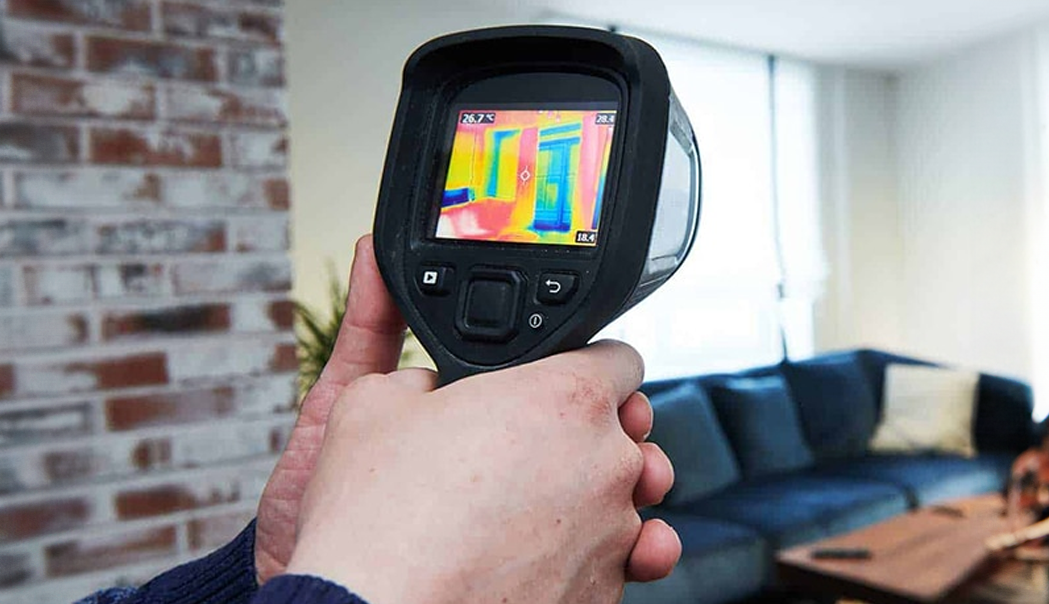
- Thermal imaging to identify hidden insulation gaps
- A blower door test to measure air leakage
- A prioritized list of recommended improvements
These insights help ensure that upgrades are completed effectively and tailored to your home’s needs.
Interested in finding out if your home can benefit from building envelope improvements?
Efficiency Works energy advisors are here to help!
FAQs

How do I know if my home needs building envelope improvements?
Older homes almost always benefit from envelope improvements. Newer homes may meet modern code requirements with high levels of insulation, but can still have improvement opportunities. A home assessment is the best way to understand your home’s current condition
What is a blower door test, and what are the results telling me?
A blower door test measures how much air leaks into and out of your home. By pressurizing the home with a fan, the test reveals air leakage levels in air changes per hour (ACH). Higher ACH values indicate a leakier home. Air sealing reduces leakage, helping keep conditioned air inside and lowering energy costs.
Are there resources to help me afford home envelope improvements?
Yes. Efficiency Works offers rebates for insulation, air sealing and windows. You may also be able to combine, or “stack,” multiple rebate sources, including utility, state and federal incentives, to further reduce out-of-pocket costs. An Efficiency Works advisor can walk you through available programs and eligibility requirements.

