Commercial building controls
Making the most of your building’s systems
What are commercial building control systems?
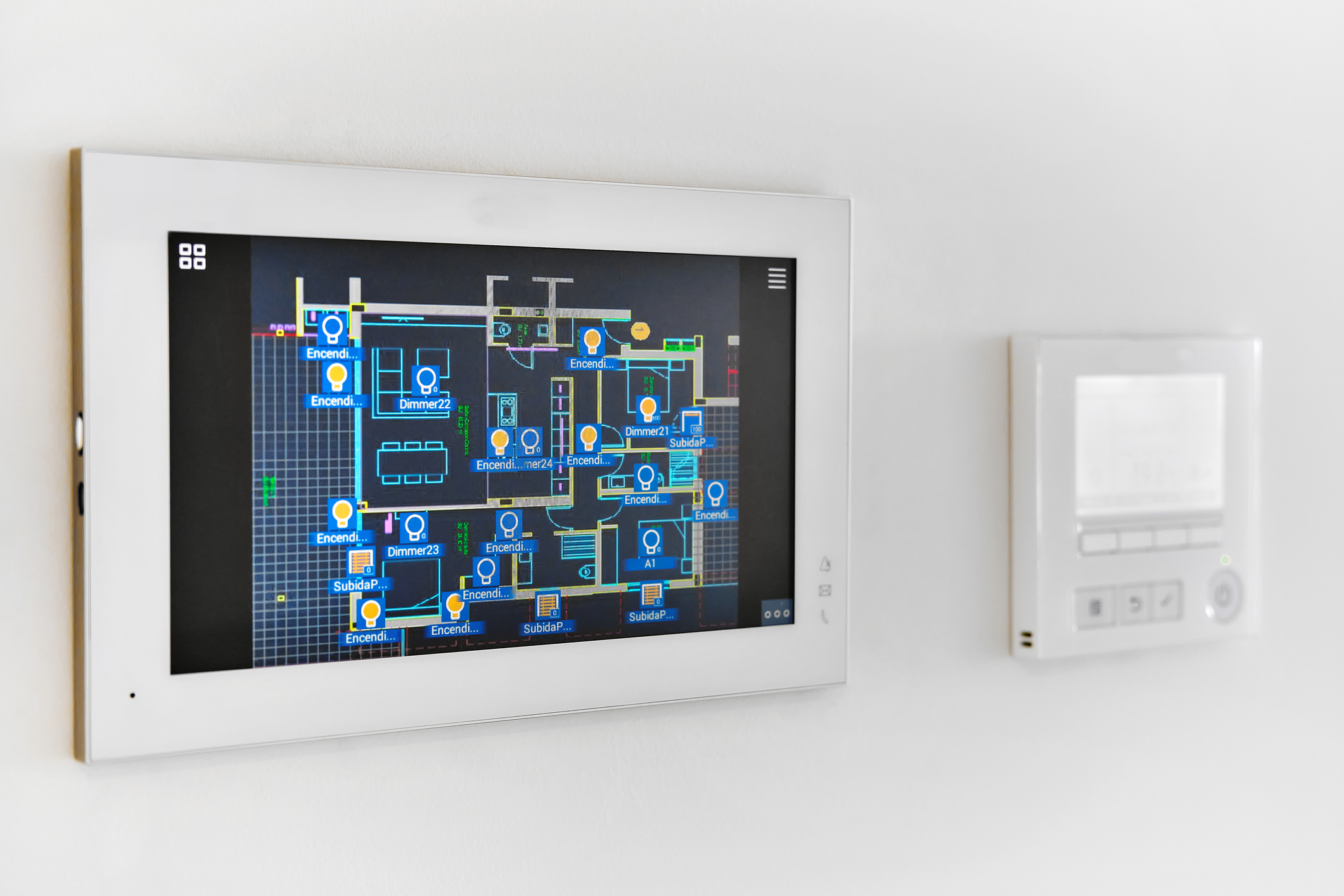
Commercial building controls systems monitor, manage and automate how a building’s energy‑using equipment operates. These systems help ensure heating, cooling and ventilation (HVAC), lighting, refrigeration and other building systems only run when needed and at the right level.
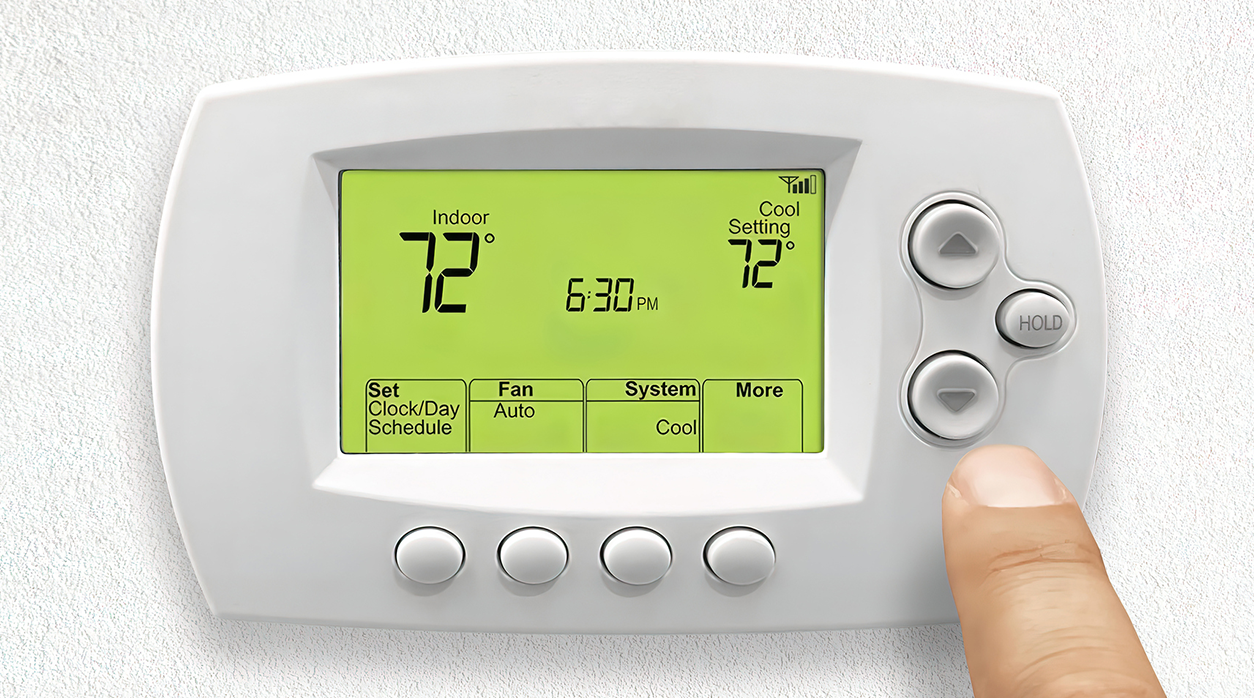
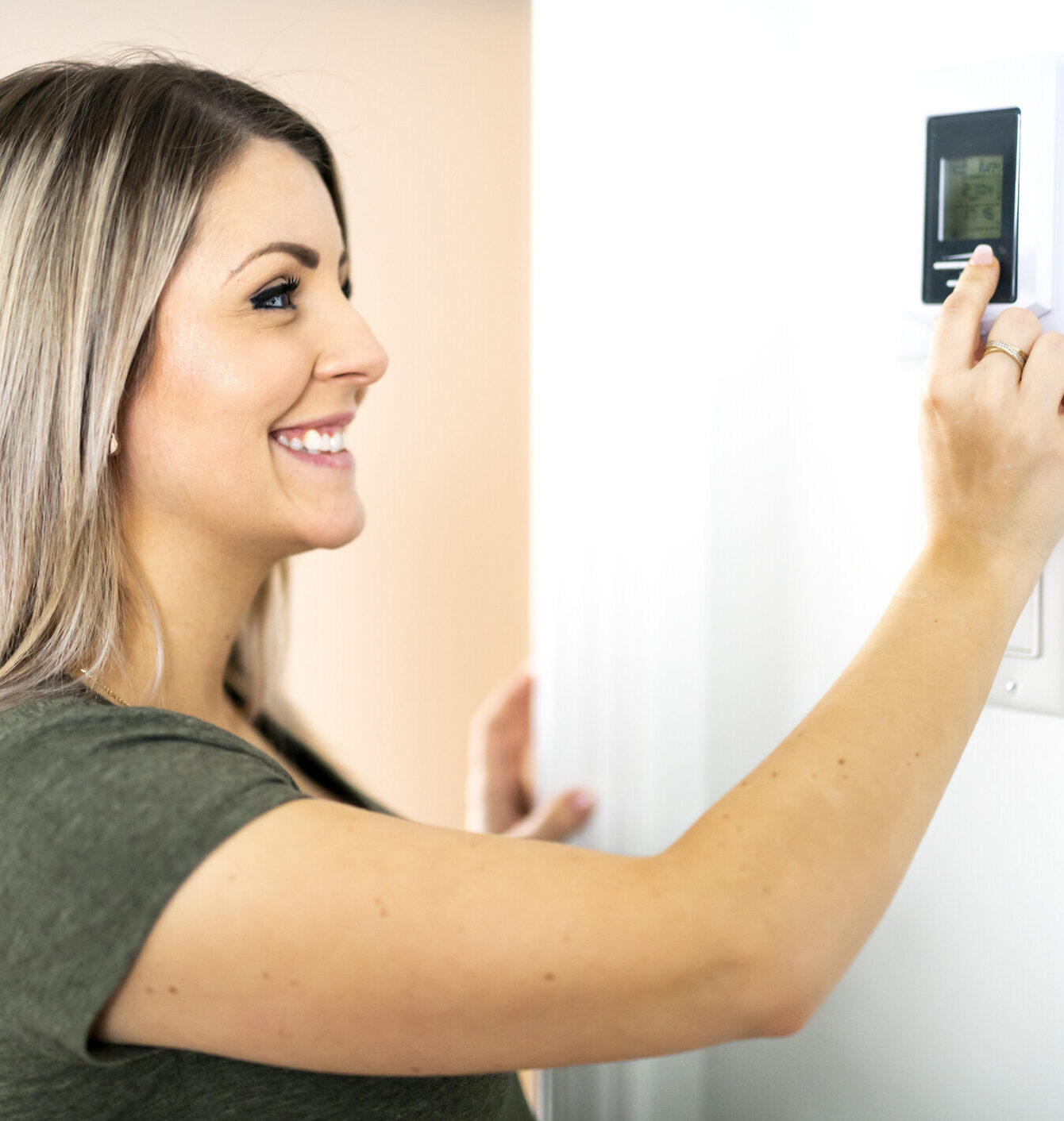
Building controls can range from simple technologies, such as programmable thermostats and lighting time clocks, to advanced building automation systems (BAS). BAS use sensors, schedules and real‑time data to automatically adjust system performance based on occupancy, weather conditions and internal demand. By coordinating multiple systems together rather than allowing each to operate independently, building controls help commercial facilities reduce energy waste while maintaining comfortable, healthy indoor environments.
Why invest in commercial building controls?
Installing and maintaining effective building controls is one of the most impactful ways to improve energy efficiency and optimize building operations.

Lower energy use
Building controls adjust HVAC and lighting to match actual building needs, reducing unnecessary operation during unoccupied hours or low‑load periods.
Lower operating costs
By cutting energy waste and optimizing system schedules, building controls reduce utility bills and help lower ongoing maintenance.
Improved comfort and indoor air quality
Sensors and automated adjustments help maintain consistent temperatures, appropriate ventilation, and balanced airflow – improving occupant comfort and indoor air quality.
Supports sustainability and emissions goals
Reduced energy use leads to lower greenhouse gas emissions, helping organizations meet sustainability, electrification and ESG targets.
Longer equipment life
Controls reduce excessive runtime, short cycling and mechanical stress, helping HVAC and other systems operate more reliably and last longer.
How can commercial building controls be utilized?
Commercial building controls can be installed in new construction, added to existing systems or upgraded as part of an energy retrofit. The best approach depends on building size, system complexity and operational needs.
Controls must be properly commissioned, maintained and understood by trained building staff to ensure controls operate as intended and continue delivering energy savings over time. For commercial buildings with existing building automation systems that have been in operation for several years, retrocommissioning (RCx) may be a good opportunity to refine operations and identify opportunities for improvement.
Learn more about how the Efficiency Works Retrocommissioning program can help offset the cost of working with an RCx agent to complete an RCx study here.
Basic controls
Basic controls may include:
- Scheduling
- Temperature setpoint management
- Occupancy sensors
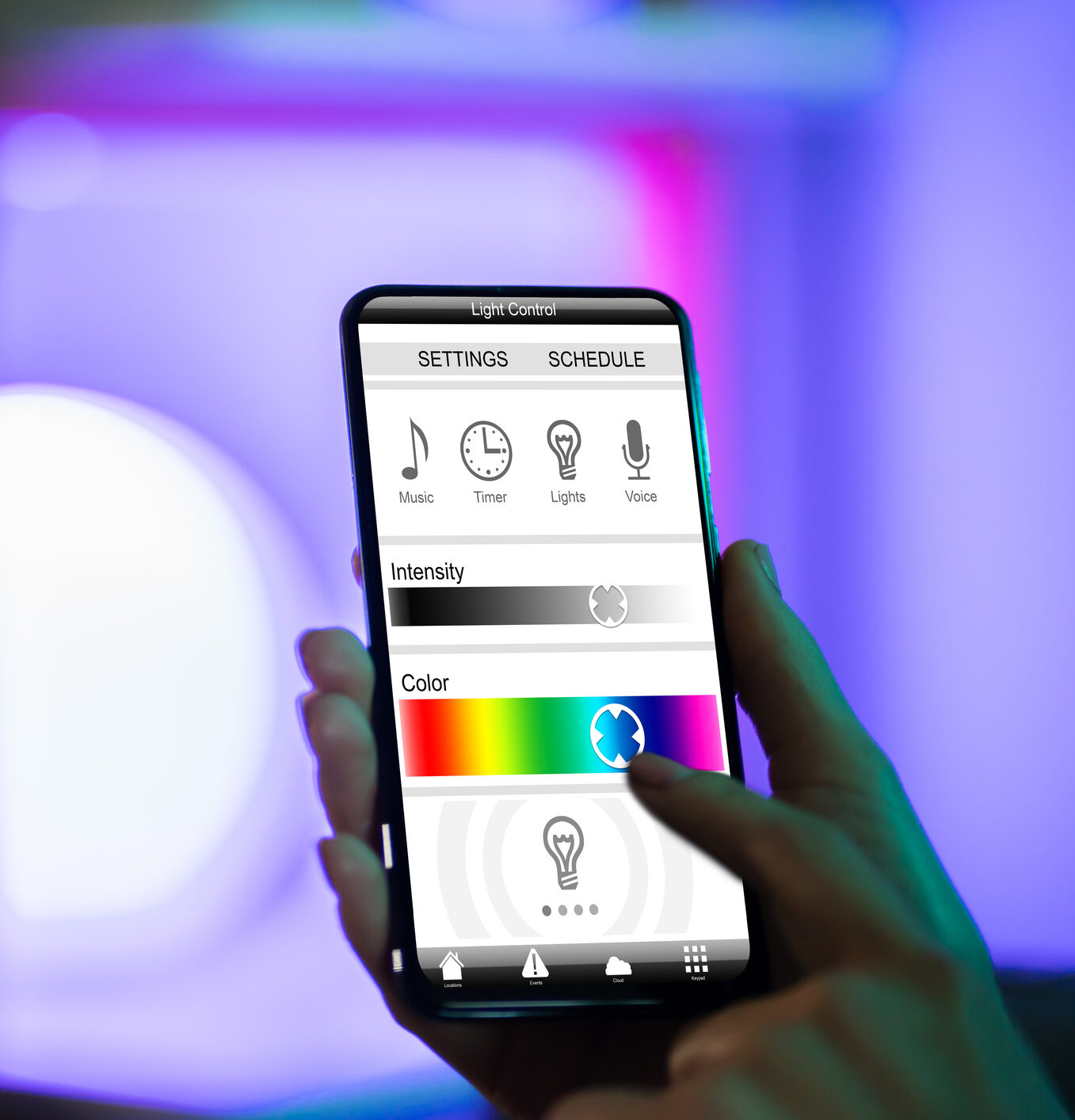
- Lighting time clocks and controls
Advanced control systems
More advanced control systems:
- Integrate HVAC, lighting and other equipment into a centralized BAS platform
- Provide real-time monitoring and fault detection
- Enable automatic and ongoing performance optimization
Ready to improve building performance and reduce energy costs through smarter controls?
FAQs
What types of systems can be managed by building controls?
Building controls can manage HVAC, lighting, refrigeration, plug loads and other mechanical or electrical systems. Advanced control systems allow these building components to work together for coordinated, efficient operation.
Can building controls be added to older commercial buildings?
Yes. Many control technologies are designed specifically for retrofit applications and can integrate with existing HVAC and lighting systems. Control upgrades are often among the most cost‑effective efficiency improvements for older buildings.
Are building controls difficult to operate?
Modern control systems are designed to be user‑friendly, with intuitive dashboards and automated features. Proper setup and staff training help ensure systems are easy to manage and deliver ongoing savings.
Do building controls require ongoing maintenance?
Yes. Periodic maintenance and system checks help ensure sensors, schedules and control logic remain accurate. Ongoing monitoring also allows operators to identify performance issues early and maintain energy savings over time.
What is retrocommissioning (RCx) and when is it beneficial?
Retrocommissioning evaluates existing systems to identify operational improvements and optimization opportunities. It is especially helpful for commercial buildings with BAS that have been in operation for several years or have undergone changes in use or occupancy. Learn more about how the Efficiency Works Retrocommissioning program can help offset the cost of working with an RCx agent to complete an RCx study here.

