Heat pump water heaters
Highly efficient electric water heating
What is a heat pump water heater?
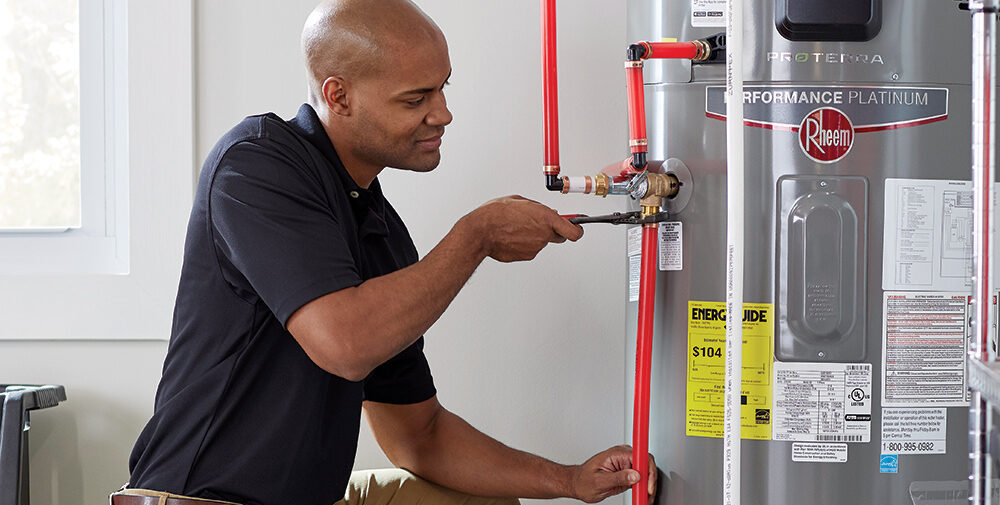
Heat pump water heaters offer an energy-efficient alternative to electric resistance and fossil fuel-burning water heaters. Instead of generating heat directly, they use electricity to transfer heat from the surrounding air into the water tank. They efficiently and reliably heat water for your home or business by pulling warmth from the space in which they are located.
Why choose a heat pump water heater?
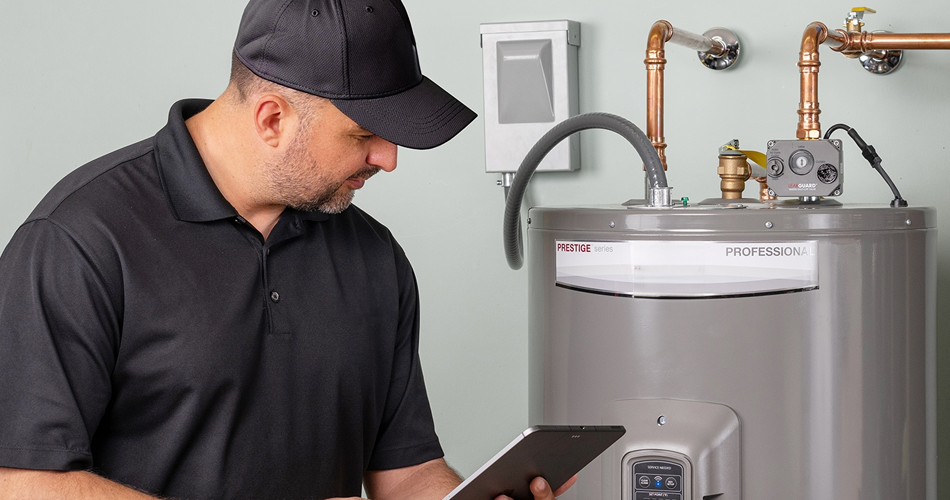
Efficiency: Efficient heat pump water heaters can reduce the amount of energy your home or business needs to provide hot water. This reduces electricity use and can typically lower your utility bills over time in most instances.
Sustainability: Switching to an efficient heat pump water heater can reduce your home or business’ carbon footprint. Because heat pumps rely on efficient electric technology rather than fossil fuels, they contribute to fewer greenhouse gas emissions.
Health & safety: Retrofitting your home or business to remove combustion-based appliances, such as natural gas water heaters, can improve indoor air quality. Electric systems eliminate combustion byproducts, reducing exposure to pollutants and creating a safer indoor environment.
What should I consider before installing a heat pump water heater?
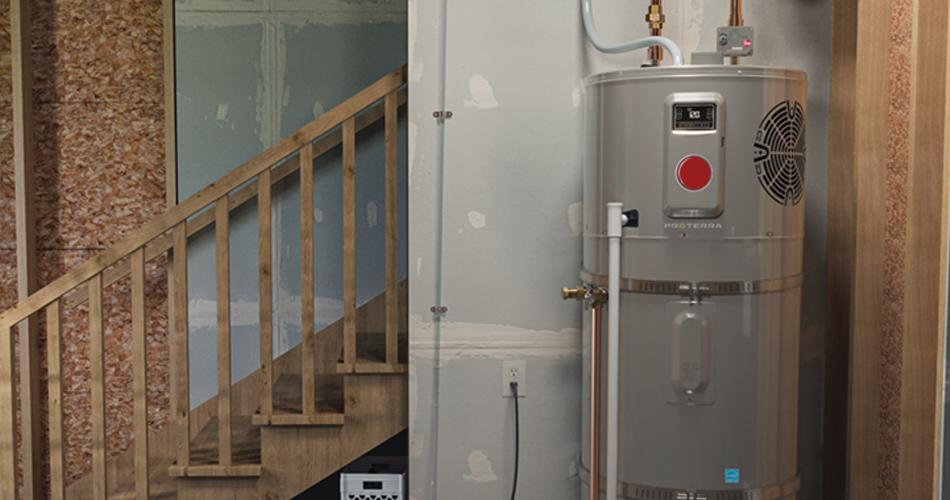
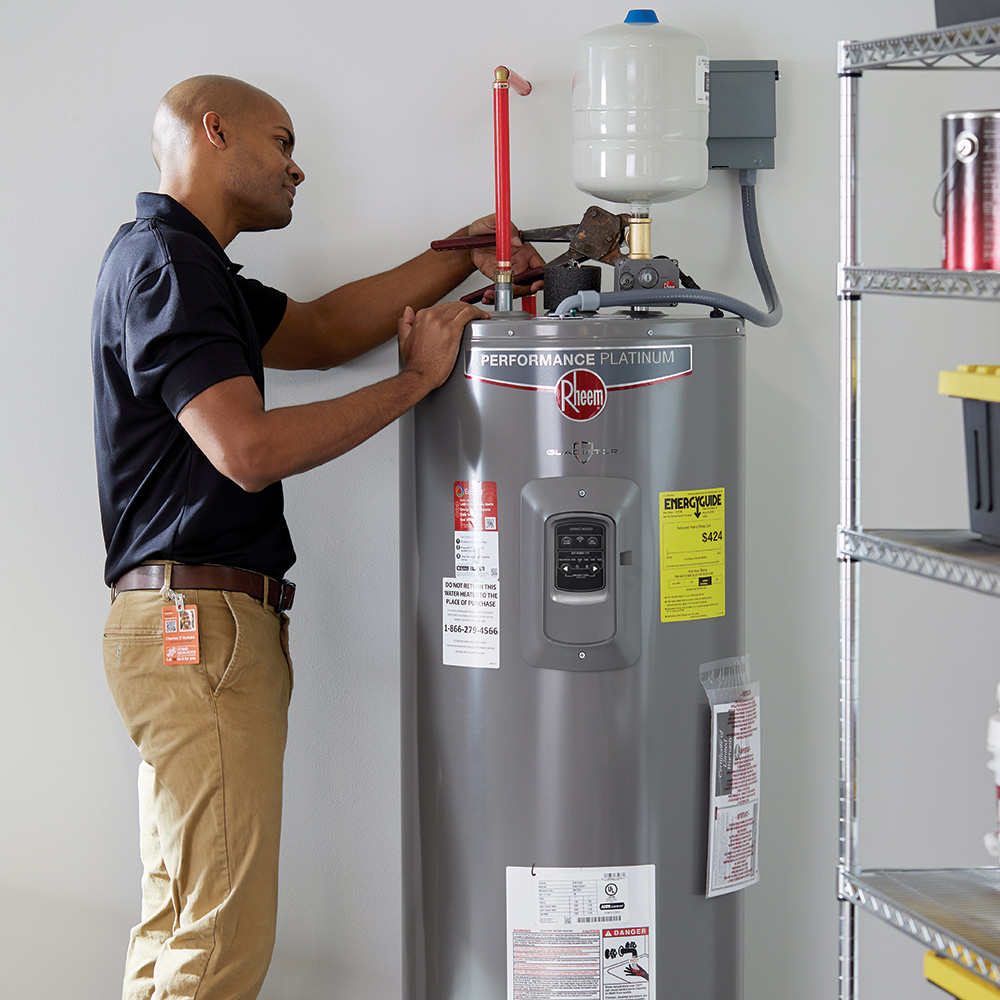
In most homes and businesses, a heat pump water heater can be installed right where your current water heater sits. A few simple installation considerations will help you determine the right heat pump water heater for your needs and space.

Air circulation
Most units need about 700 cubic feet of surrounding air space, which is about the size of a 10 ft x 10 ft room with a 7 ft ceiling. Some compact models can operate with as little as 450 cubic feet of air.
Tank size
Heat pump water heaters are generally slightly larger than conventional models and typically come in 50-, 65-, and 80-gallon sizes.
If your current electric water heater meets your needs, replacing it with a similar size is usually appropriate.
If you are making the switch from a gas tank to a heat pump water heater, or your hot water demand has increased, upgrading to a larger tank size is recommended.
Location
Heat pump water heaters typically perform best in spaces that remain above 38°F. Installing your water heater in an unconditioned basement or garage can be a great option if the space normally remains above freezing temperatures.
Interested in finding out if a heat pump water heater is right for your home or business?
Efficiency Works energy advisors are here to help! Schedule an advising or assessment for your home or business, and explore available Efficiency Works rebates.
FAQs
Are there resources to help me afford a heat pump water heater?
Efficiency Works offers generous rebates for installing heat pump water heaters. It is also possible to combine, or “stack,” multiple rebate sources, including utility, state and federal incentives, to reduce your out-of-pocket project cost as much as possible. An Efficiency Works advisor can walk you through available programs and eligibility.
Do I have to use an Efficiency Works listed service provider to get a heat pump water heater rebate?
No. However, if your installing contractor is an Efficiency Works listed service provider, they can apply for the rebate on your behalf. Anyone can apply for a heat pump water heater rebate through the Retail Products program, subject to individual program rules.
Do I need to upgrade my electrical panel to install a heat pump water heater?
Not always. Some homes may require a panel upgrade or load sharing device with heat pump water heater upgrades, depending on your existing electrical capacity. A licensed electrician can evaluate whether an upgrade is required. If an upgrade is recommended, an Efficiency Works advisor can help you understand available incentives.

