Variable Frequency Drives
Optimizing building and industrial systems with variable-speed technologies
What is a Variable Frequency Drive?
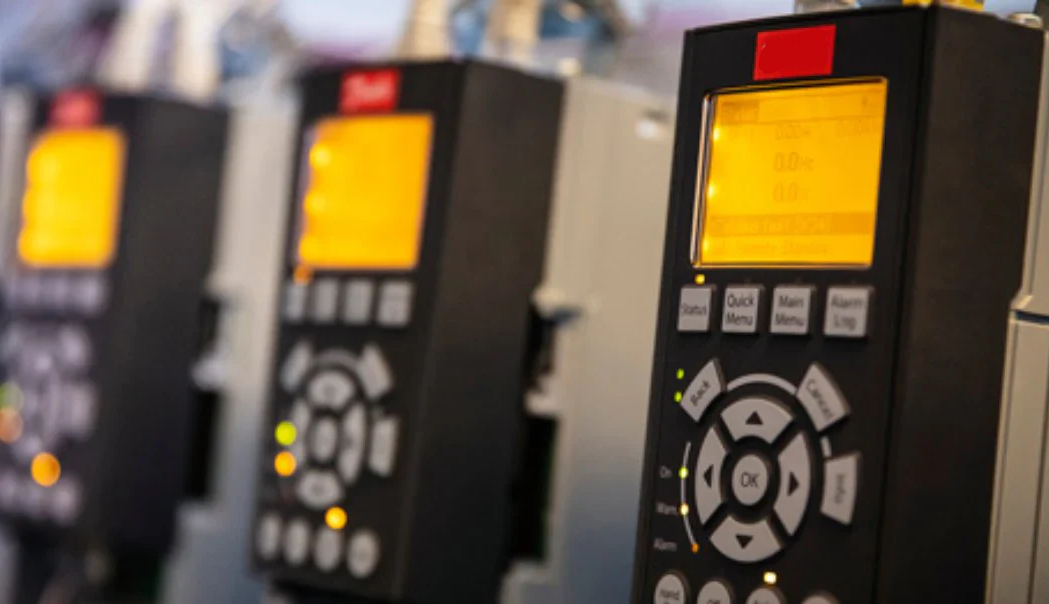
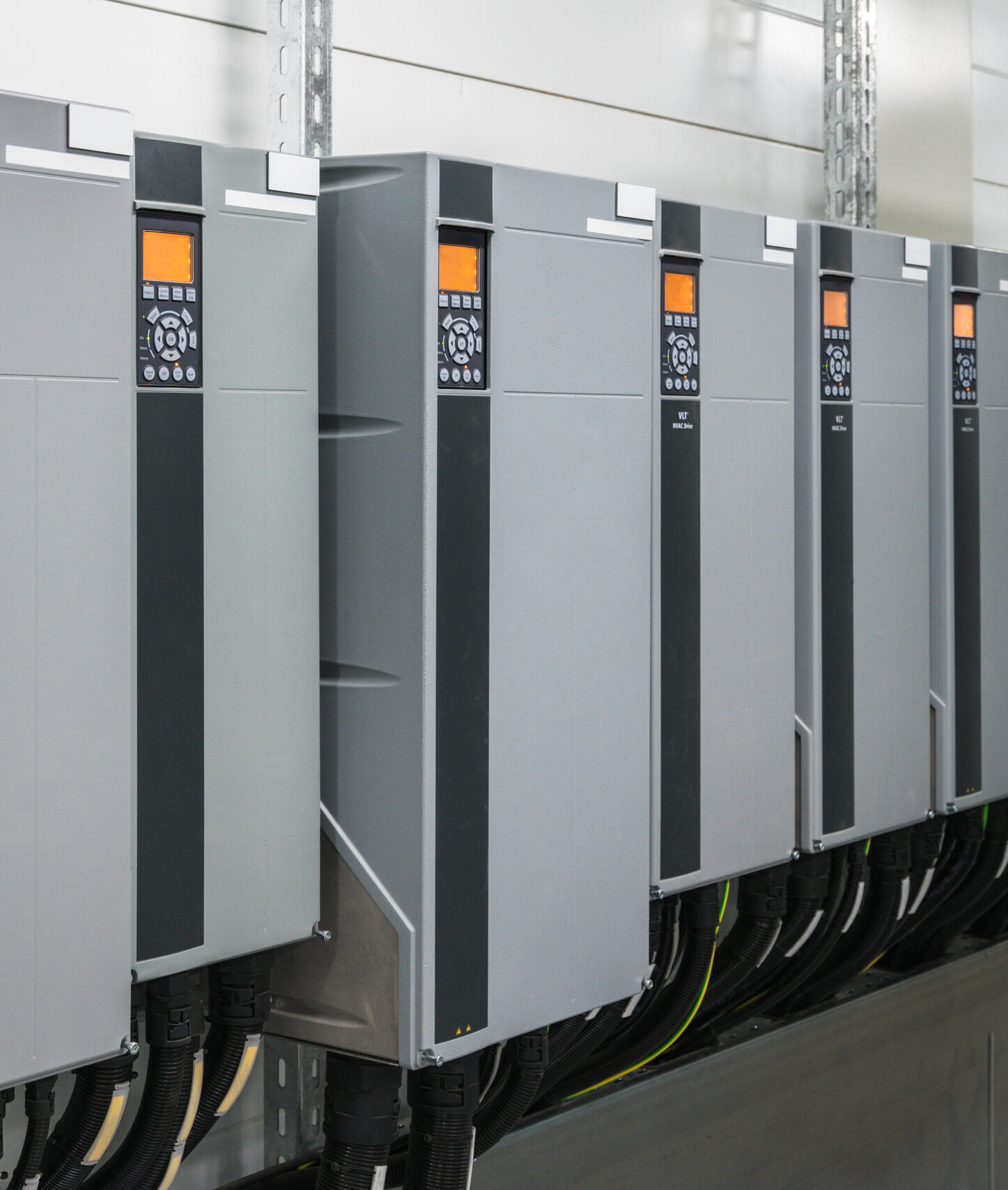
A Variable Frequency Drive (VFD) is a device that adjusts the speed of an electric motor based on real-time demand. Instead of running a motor at full power all the time, a VFD slows it down when full output isn’t needed, reducing energy use, improving performance and extending equipment life.
Think of it like a car. A standard HVAC motor runs like a car that only has two speeds: off or full throttle. A VFD works like a gas pedal, adjusting speed based on need. This smoother operation reduces stress on the system and extends the life of motors, fans and pumps.
Why use Variable Frequency Drives?

Energy savings
VFDs reduce motor speed when demand is low, cutting energy use up to 49%, especially in fans and pumps that rarely need to run at full power.
Lower operating costs
By reducing electricity consumption and demand charges, VFDs help lower utility bills.
Longer equipment life
Soft starts and adjustable speeds reduce stress on motors and mechanical components, helping extend system life and reduce maintenance needs.
Quieter operation
Motors and fans run more quietly at lower speeds, improving building comfort and reducing background noise.
Savings & return-on-investment (ROI)
Energy use reduction is typically 20–50%, supporting sustainability goals by reducing overall electricity use and associated emissions. The ROI is often less than three years, and in some cases, under one year. Incentives are available to reduce installation costs and improve project ROI, making VFDs a smart investment for long-term performance and savings.

How to use Variable Frequency Drives?
VFDs work best on equipment with variable or inconsistent demand, especially systems that rarely need to operate at full output all the time, such as pumps and fans. By matching output to demand, VFDs help improve performance and reduce operating costs.
Ideal applications
- Commercial buildings with central HVAC systems or rooftop units (RTUs)
- Facilities with fans, pumps or compressors
- Businesses aiming to reduce energy costs and improve occupant comfort
Ideal retrofit candidates
- Rooftop units (RTUs) less than 10 years old, with installation on a standard RTU typically completed in under four hours by two technicians
- Fans and pumps in HVAC systems
- Compressed air systems with varying loads and system needs
- Facilities with variable occupancy or changing climate demands
- Process equipment with variable loading
Ready to improve efficiency and reduce operating costs?
Explore VFD incentives to support your next upgrade.
FAQs
Are VFDs compatible with all types of motors?
VFDs work with many standard three‑phase induction motors, but compatibility depends on motor condition, design and application. Some older or specialty motors may require additional filters, wiring upgrades or replacement. A qualified technician or engineer should verify compatibility before installation.
Do VFDs require maintenance?
VFDs require relatively low maintenance, but regular inspections improve reliability. Recommended tasks include checking filters, verifying cooling airflow, inspecting electrical connections and monitoring for unusual noise or vibration. Periodic cleaning helps avoid overheating and control failures.
Are VFDs difficult to install?
VFD installation is generally straightforward for trained professionals but often requires electrical and system integration expertise. Installers must verify proper grounding, motor compatibility, wiring and control settings. In complex systems, optimizing parameters can further enhance efficiency and equipment performance.
VFD installation is generally straightforward for trained professionals but often requires electrical and system integration expertise. Installers must verify proper grounding, motor compatibility, wiring, and control settings. In complex systems, optimizing parameters can further enhance efficiency and equipment performance.
Do VFDs work with building automation systems (BAS)?
Yes. Most modern VFDs can communicate with building automation or energy management systems. This enables centralized control, performance monitoring, automated scheduling and system optimization across multiple pieces of equipment.

