Commercial HVAC equipment
Smarter HVAC solutions – from targeted upgrades to next‑generation high‑efficiency systems
What are efficient commercial HVAC systems?
Efficient commercial heating, ventilation, and air conditioning (HVAC) systems include a range of technologies that reduce energy use, improve comfort and enhance overall building performance. High‑efficiency HVAC systems are designed to deliver superior performance using less energy through advancements like improved compressors, variable-speed controls and integrated sensors.
These options allow building owners to choose the most appropriate approach—upgrading existing equipment or installing new systems based on building needs, lifecycle stage and efficiency goals.

Example New Equipment
Examples of high-efficiency HVAC technologies include:
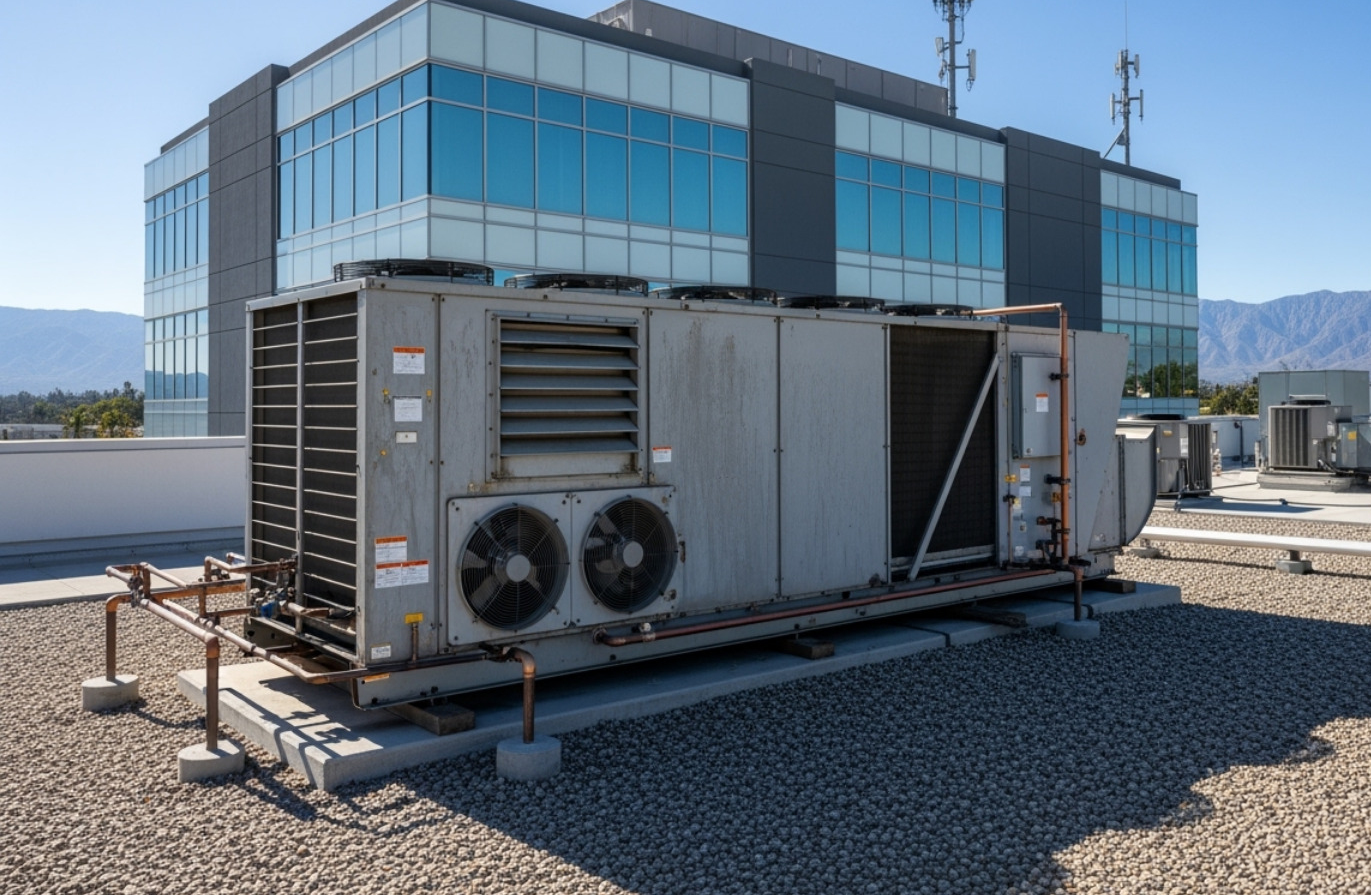
- High-efficiency rooftop units (RTUs)
- Variable refrigerant flow (VRF) systems
- Commercial heat pumps
- High-performance chillers
- Integrated building automation systems
Retrofits
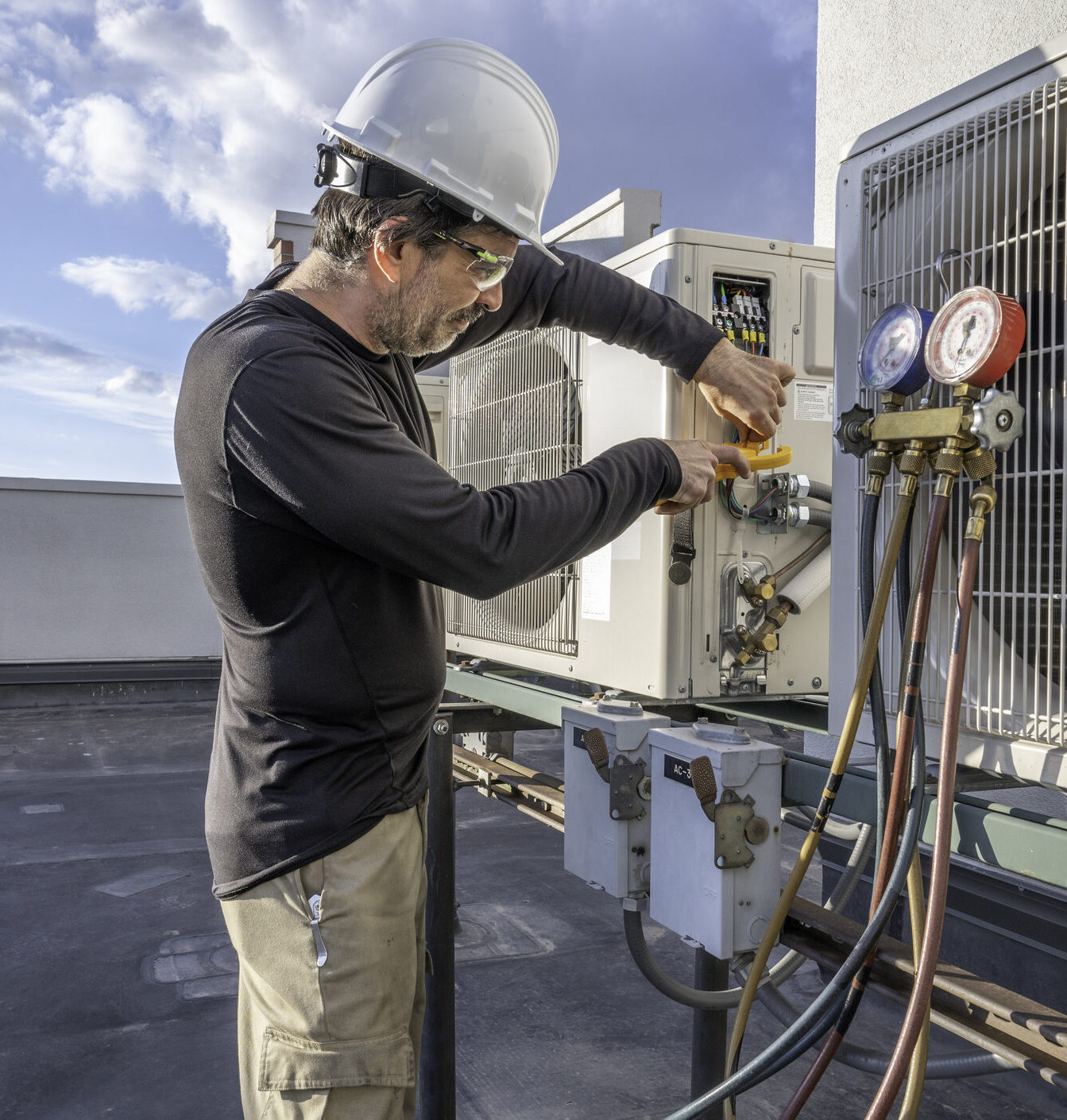
Existing HVAC systems can also be upgraded through targeted retrofits, such as:
- Economizers
- Demand control ventilation (DCV)
- Variable-speed fan upgrades
- Advanced RTU controllers
- Evaporative cooling or condensing
- Enhanced controls and sensors
Why use efficient HVAC systems?
Energy savings
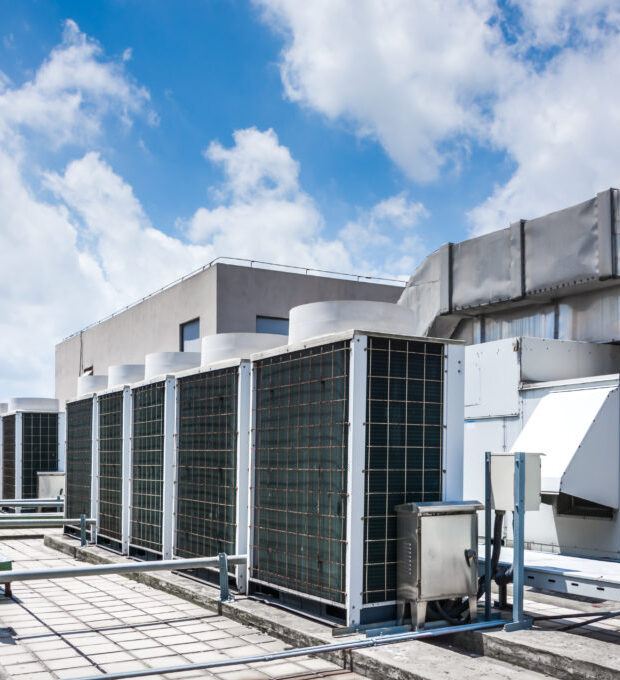
Commercial HVAC systems are often the largest energy users in a building. High-efficiency equipment reduces energy waste by matching output to real-time demand and optimizing ventilation and cooling strategies.
Lower operating costs
By reducing electricity use, improving part-load performance and minimizing mechanical stress, efficient systems help lower ongoing utility and maintenance costs.
Greater reliability
High-efficiency equipment and enhanced controls reduce system runtime and wear, helping extend equipment life and lowering the likelihood of unplanned downtime.
Improved comfort
Advanced controls also support more consistent temperatures and better indoor air quality, improving comfort for occupants.
Support sustainability goals
Reducing energy consumption helps lower carbon emissions and aligns with building‑level sustainability and performance goals.
How to use efficient HVAC systems?
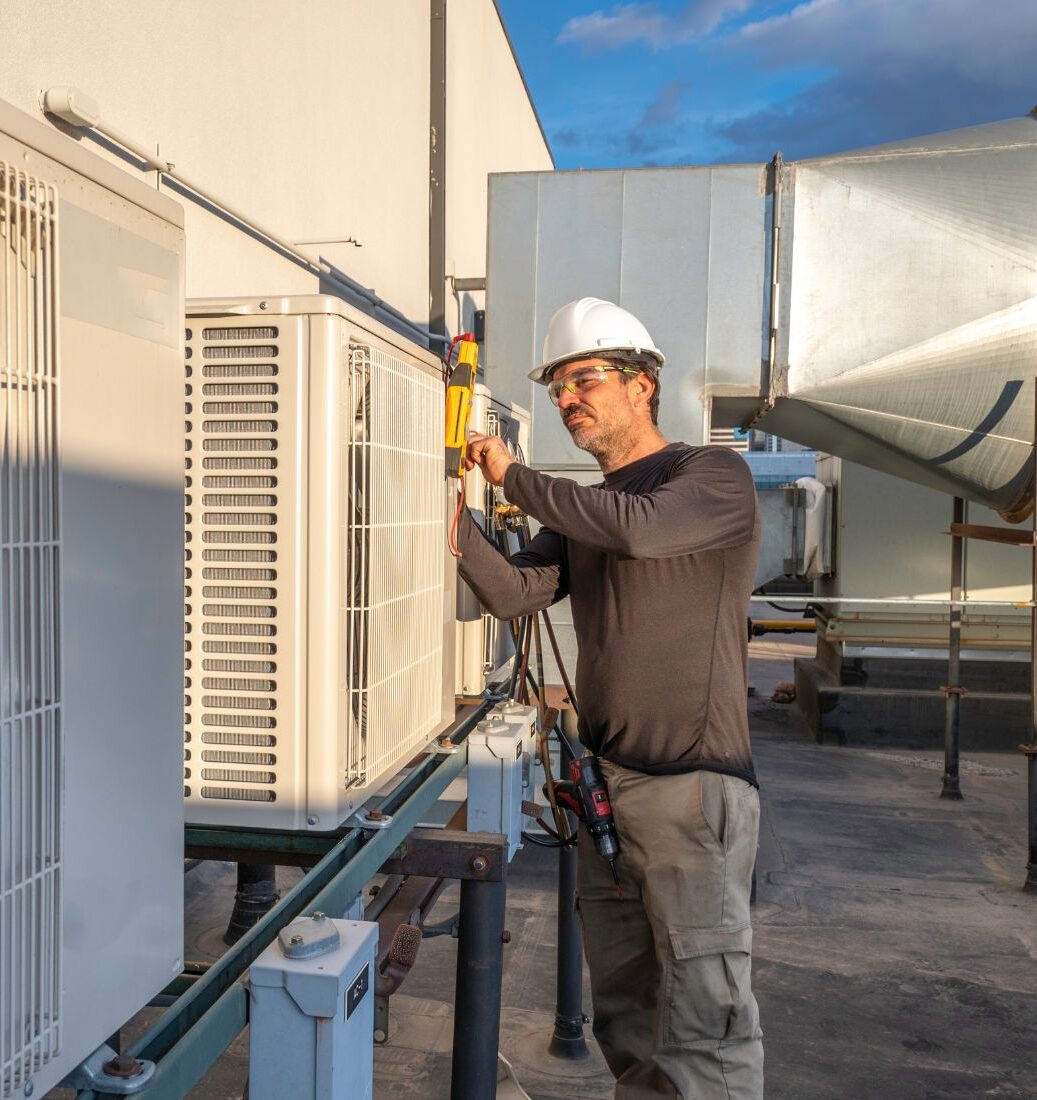
Choosing the right HVAC strategy starts with an assessment of existing equipment, building usage and long‑term goals. In some buildings, HVAC upgrades, also called retrofits, offer cost‑effective solutions for delivering measurable energy savings without replacing existing equipment.
Common upgrades
Common upgrades include:
- Economizers to bring in cool outdoor air when conditions allow
- Demand control ventilation (DCV) to reduce over-ventilation during low-occupancy periods
- Variable speed drives (VFDs) to match fan speed to actual airflow needs
- Advanced RTU controllers for improved scheduling, staging, airflow and economizer performance
New systems
During renovations, expansions, or system replacement, new high‑efficiency HVAC technologies may be the preferred option, including:
- High‑efficiency RTUs
- VRF systems
- Commercial heat pumps
- High-performance chillers
- Comprehensive building automation systems
These options deliver more precise zone control, improved seasonal efficiency and seamless integration with controls and sensors.
Maintenance matters
Regular upkeep is essential for maintaining efficiency and extending equipment life in HVAC systems.
Essential tasks include:
- Changing air filters
- Cleaning and combing coils
- Verifying refrigerant charge
- Inspecting belts, sensors and connections
Learn more about the Efficiency Works Performance Plus program that offers incentives to support enhanced maintenance of RTUs and packaged terminal air conditioning units (PTACS) here.
Ready to improve HVAC efficiency and comfort in your building?
FAQs
How do I know whether to upgrade existing HVAC equipment or install a new system?
The best choice depends on equipment age, condition and performance, as well as long‑term efficiency goals and financial planning. Upgrades are often ideal for newer systems that function reliably but operate inefficiently. New high‑efficiency systems may be better when equipment is nearing end‑of‑life or when deeper energy savings and improved comfort are needed.
Which HVAC upgrades typically deliver the fastest savings?
Economizers, demand control ventilation (DCV) and variable speed fans often provide fast payback by reducing unnecessary cooling, ventilation and fan energy use. Advanced RTU controllers can further enhance savings by coordinating system operation more intelligently.
What is an economizer and how does it reduce energy use?
An economizer uses cool outside air to help regulate indoor temperature, reducing the need for mechanical cooling and lowering energy use. Learn more here.
How do variable speed fans improve efficiency?
Variable speed fans adjust airflow to match real‑time demand rather than operating at full speed continuously. Even small reductions in fan speed can result in significant energy savings and quieter system operation. Learn more about variable speed drives here.
How do enhanced controls improve both upgraded and new HVAC systems?
Enhanced controls integrate sensors, schedules and weather data to optimize HVAC performance automatically. They help maintain comfort, reduce run time and ensure equipment operate efficiently as a coordinated system.
Advanced RTU controllers optimizing scheduling, staging, airflow and economizer operation. These are a good option for RTUs not connected to a building automation system (BAS).
A building automation system (BAS) integrates controls across large or complex buildings. Retrocommissioning identifies low- and no-cost opportunities to improve the performance of equipment connected to a BAS. Learn more about the Efficiency Works Retrocommissioning program here.
What is demand control ventilation (DCV)?
DCV adjusts how much outdoor air is brought into a building based on occupancy levels or indoor air quality indicators such as carbon dioxide levels. DCV reduces energy use by avoiding over‑ventilation during low‑occupancy periods. Learn more here.
What are the benefits of evaporative cooling and evaporative condensing systems?
Evaporative cooling and condensing improve cooling efficiency by using water to enhance heat rejection or reduce air temperature. These technologies are especially effective in dry or arid climates and can significantly reduce compressor energy use.

