Heat pumps
Efficient, electric heating and cooling solutions
Make the switch to heat pumps
Learn all about heat pumps for your home or your business.
What are heat pumps?
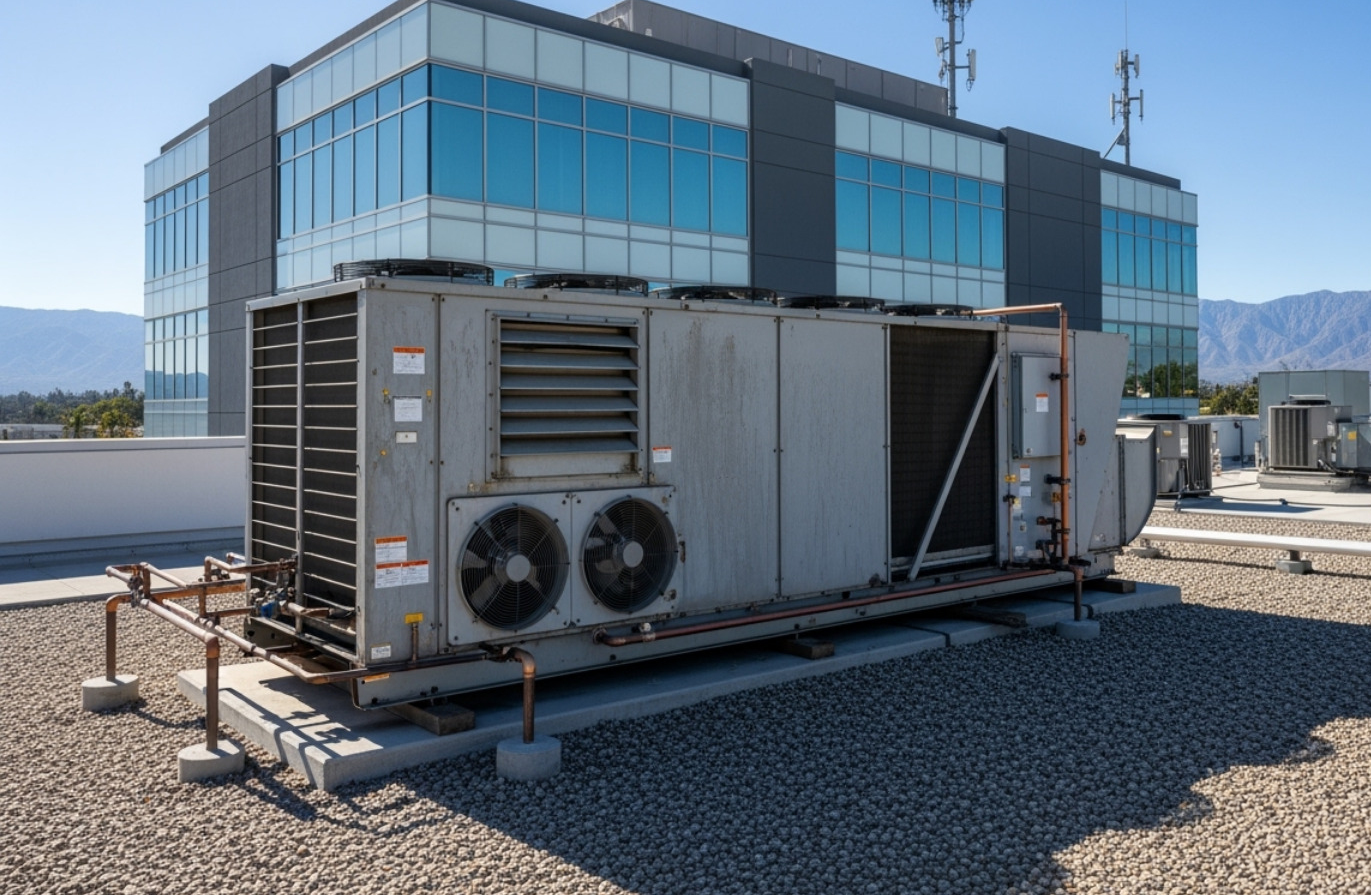
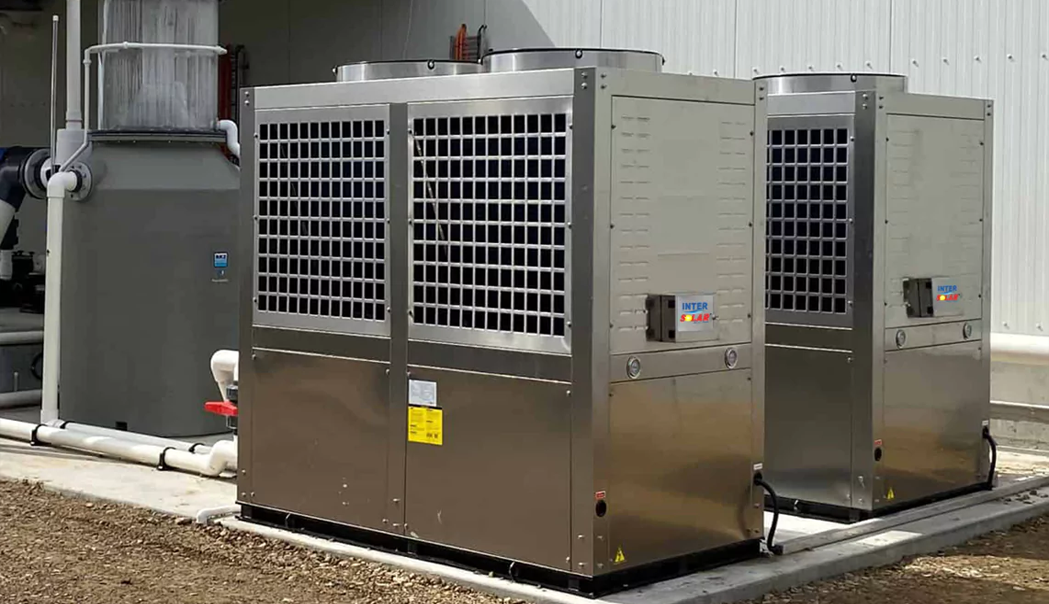
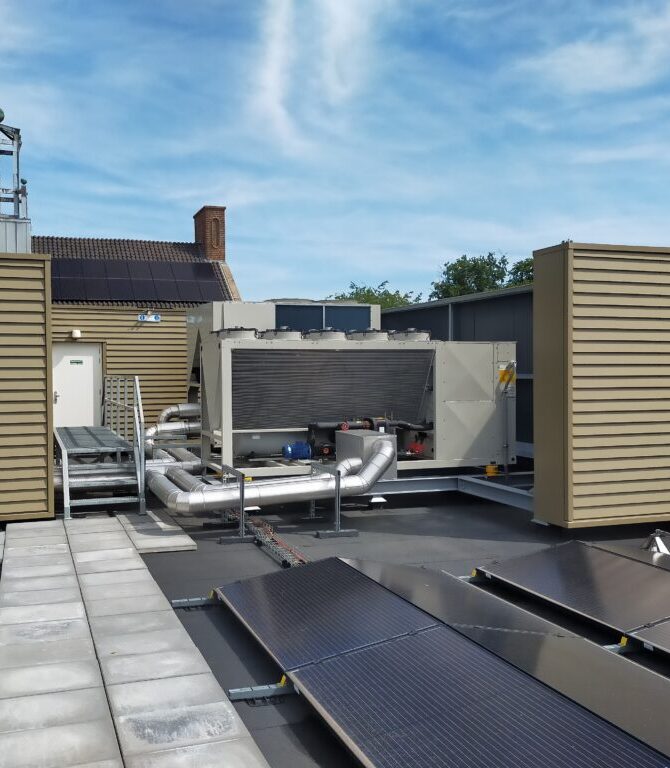
Heat pumps are highly efficient heating, ventilation and air conditioning (HVAC) systems that can provide both heating and cooling by transferring heat rather than generating it. In commercial settings, heat pumps move heat from the outdoor air, ground, or a water source and transfer it into a building for heating – and reverse the process to provide cooling.
- Common commercial heat pump systems include:
- Air‑source heat pumps
- Variable refrigerant flow (VRF) systems
- Water‑source heat pumps
- Packaged heat pump rooftop units (RTUs)
Heat pump technology is also expanding into industrial applications, where heat pumps can support heating and cooling processes.
Why use heat pumps?
Commercial heat pumps offer a highly efficient alternative to traditional fossil‑fuel‑based heating and conventional air conditioning.

Energy efficiency
By transferring heat instead of generating it through combustion, heat pumps reduce energy use – especially in buildings that rely on electric resistance heat or older gas systems.
Lower operating costs
Improved efficiency, variable-speed operation and advanced controls can help reduce energy and maintenance costs.
Year-round comfort
Heat pumps provide heating and cooling in one system and offer precise temperature control across zones and spaces.
Improved indoor environment:
Electric operation eliminates combustion-related emissions, supporting better indoor air quality and safer mechanical rooms.
Flexibility
Heat pumps works in a range of building types, including offices, schools, healthcare facilities, retail spaces and multifamily properties.
How to use heat pumps?
Heat pumps can be installed in new commercial construction or retrofitted into existing buildings, depending on space, system design and electrical capacity. Some systems replace rooftop units, while others serve individual zones or spaces within a building. To ensure optimal performance for efficiency and comfort:
- Systems must be properly sized and designed
- Installation should follow manufacturer and engineering best practices
- Install smart controls, automation systems and VFDs
- Integration with a building automation system (BAS) allows for smarter scheduling based on occupancy, weather and load conditions
FAQs
Are heat pumps suitable for large commercial buildings?
Yes. Many commercial heat pump systems, such as VRF and water‑source heat pumps, are specifically designed for large or complex buildings. These systems support multiple zones, variable loads and centralized or distributed control.
Do heat pumps work in cold climates?
Yes. Modern cold‑climate heat pumps are designed to operate efficiently at low outdoor temperatures. Supplemental heating may be used in extreme conditions, but most systems can provide reliable primary heating in cold regions.
How do heat pumps compare to gas heating systems?
Heat pumps are typically more energy‑efficient than gas systems because they move heat rather than generate it through combustion. This often results in lower energy consumption, reduced emissions and improved indoor air quality.
Can heat pumps provide both heating and cooling?
Yes. Heat pumps are all‑in‑one systems that can provide year‑round space heating and cooling by reversing their operating cycle. This simplifies system design and reduces the need for separate HVAC equipment.
Are heat pumps compatible with building automation systems (BAS)?
Most modern commercial heat pump systems integrate easily with BAS platforms, enabling centralized monitoring, scheduling, fault detection and performance optimization across the facility.
Can heat pumps be used in industrial process heating and cooling?
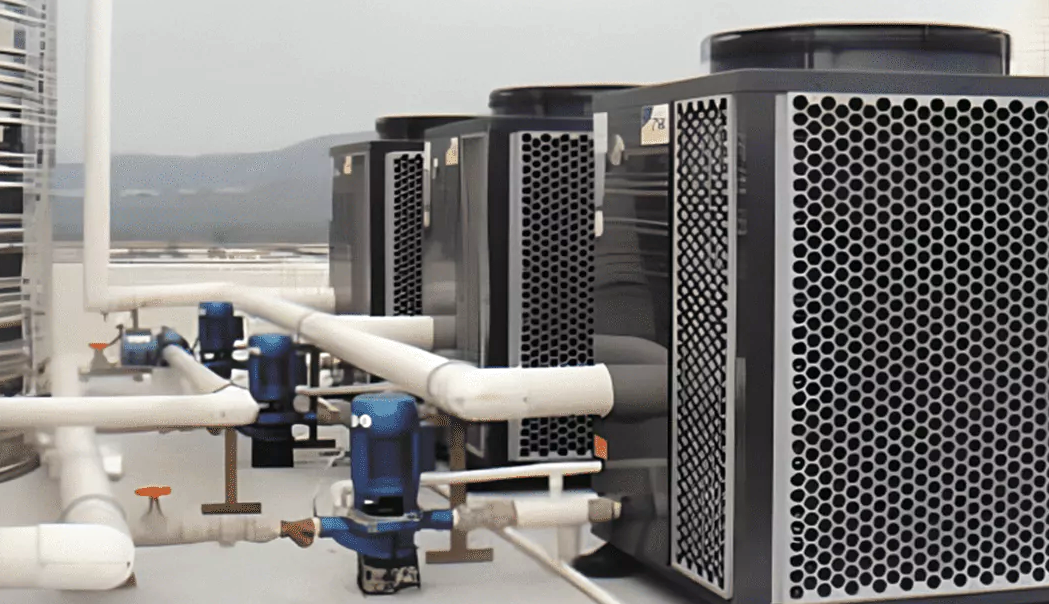
Heat pumps are increasingly used in industrial processes for both heating and cooling applications. By recovering and upgrading waste heat from processes or exhaust streams, heat pumps can significantly improve overall system efficiency.
What types of industrial processes are best suited for heat pumps?
Heat pumps are most effective in industrial applications with steady, predictable heating or cooling demands and moderate temperature requirements. Common examples include food processing, dairies, breweries, meat processing, chemical manufacturing, pharmaceuticals, pulp and paper operations and textile production. Processes that already generate waste heat or use hot water are especially good candidates for heat pump integration.

