
Electric vehicles
Find the perfect electric vehicle (EV) for you with
guidance and tips from Efficiency Works.html
Make the switch to electric
Learn all about EVs for your home or your business.
What are electric vehicles (EVs)?
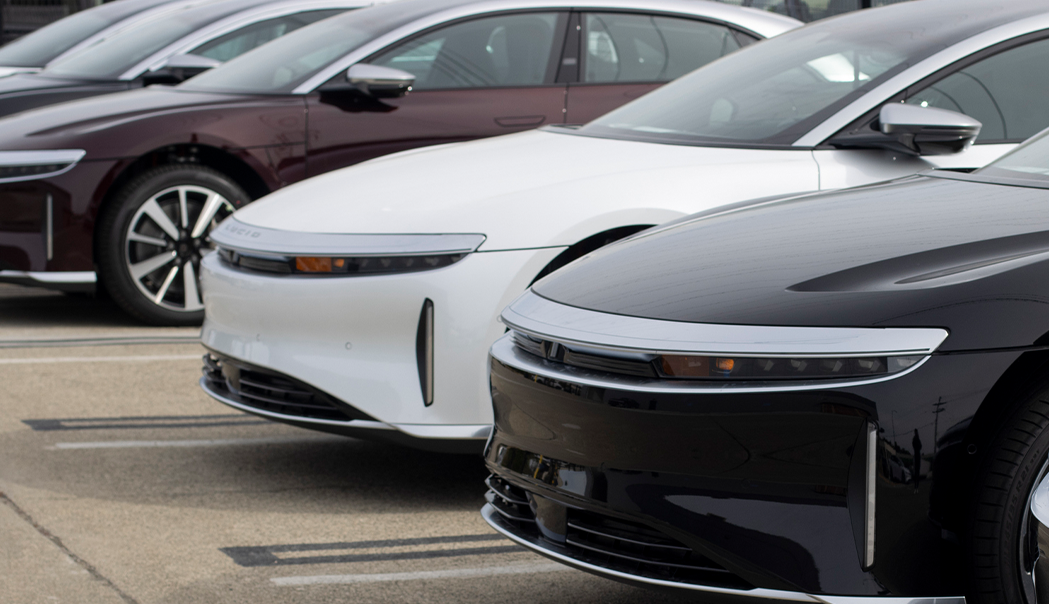
Electric vehicles (EVs) are vehicles that are powered, fully or partially, by electricity. EVs use electric motors powered by batteries, instead of traditional internal combustion engines fueled by gasoline or diesel. EVs produce zero tailpipe emissions.
What are the benefits of EVs?
EVs offer a variety of benefits, including reduced fuel costs, lower maintenance and reduced environmental impacts. They also provide a more convenient and potentially enjoyable driving experience, along with potential tax credits and incentives. The battery on an EV can also be used as an energy storage system for your home.

EVs at home
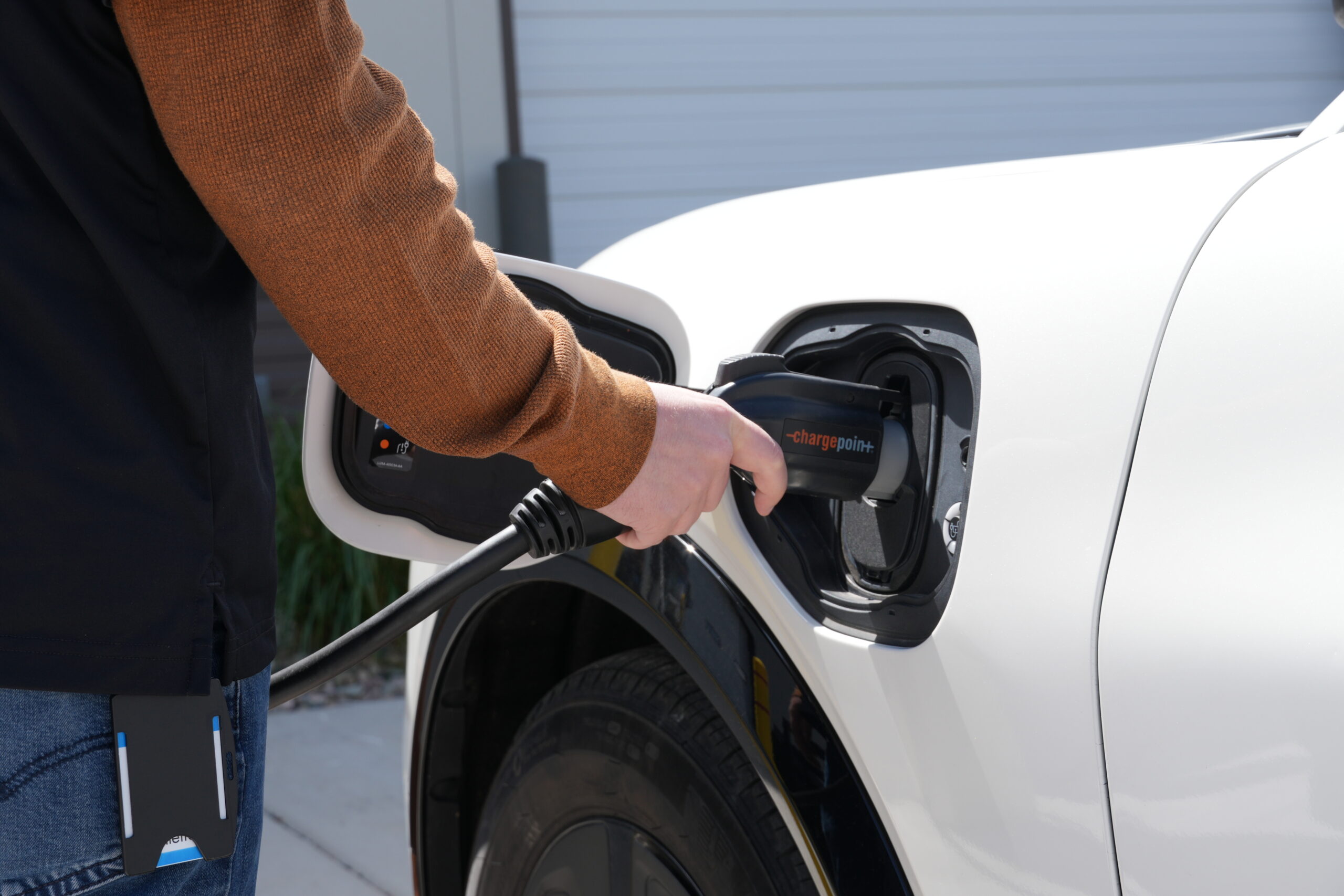
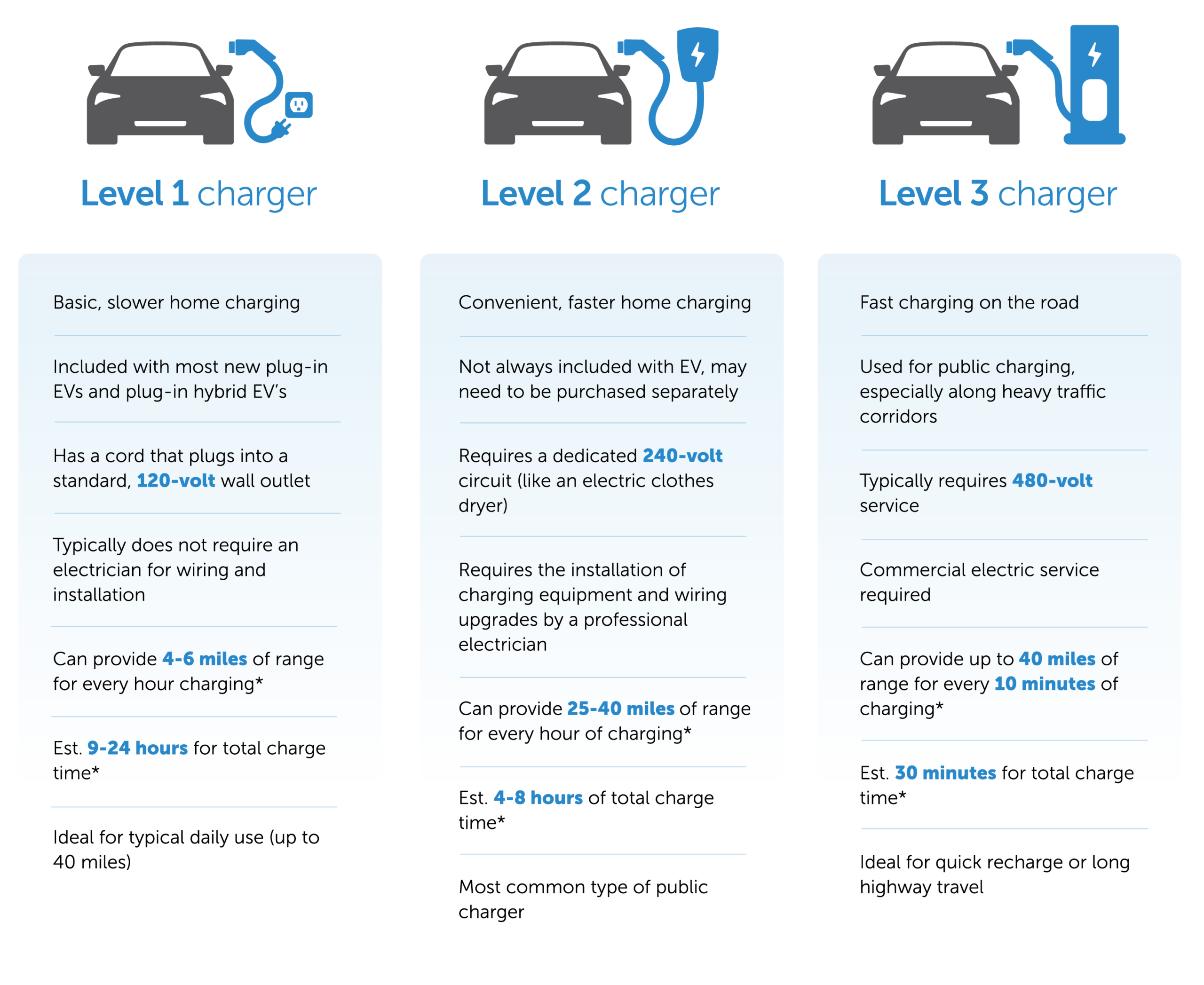
Owning an electric vehicle is convenient and efficient, especially with the ease of charging both at home and on the go. At home, you can simply plug into a standard wall outlet with a Level 1 charger, or for faster charging, install a Level 2 home charger with the help of a professional electrician.
Public charging is becoming increasingly accessible with new charging stations opening every day. Use locator maps like ChargeHub or PlugShare to find the nearest stations and keep your EV ready for any adventure. When you’re ready to start shopping, see available vehicles or find answers to your most frequently asked EV questions.
Rebates and programs
Explore available incentives to help you save on the purchase of a new or used electric vehicle, or the installation of charging equipment. We’ve created a comprehensive list of state and local incentives, including rebates and tax credits, to help reduce your upfront purchase costs and make going electric a more affordable choice. For more information on electric vehicle incentives, visit the U.S. Department of Energy, or visit our dedicated EV website.

Where to charge your EV
Frequently asked questions about EVs

What are the benefits of owning an EV?
Electric vehicles offer numerous benefits, including lower fuel costs, reduced maintenance expenses and zero tailpipe emissions, making them environmentally friendly. EVs also provide a smoother, quieter ride. Many EVs are eligible for state tax credits and rebates.
How do I charge an EV?
Are there different types of chargers?
Yes! Chargers are either level 1, level 2, or DC Fast Chargers (level 3).
What incentives are available for purchasing an EV in Colorado?
Colorado offers various incentives, including state tax credits, rebates and federal incentives. These can reduce the upfront cost of purchasing an electric vehicle.
How far can an EV travel on a single charge?
The range of an EV varies by model, but most modern electric vehicles can travel between 150 to 300 miles on a single charge. Some higher-end models can exceed 300 miles.
Charging FAQs
Where can I buy a charger?
While all EV’s come ready to plug into a Level 1 wall outlet, for faster charging it is recommended to install a Level 2 home charger
Chargers can be purchased from the auto manufacturer, from charger manufacturer websites or third party resellers online and in-store. Level 2 home chargers and required 240V circuits should be installed by a professional electrician.
Do I need to install special charging equipment?
While all EVs come with a Level 1 charger ready to plug into a standard wall outlet, we encourage EV owners to install a Wi-Fi network enabled, level 2 charging unit at home for more rapid and programmable charging. Before installing a level 2 charger, please contact your local building and zoning department with your plans to obtain proper permits and inspections.
If you cannot install a charger at your home, there are public charging stations available. Find charging stations by using the ChargeHub or PlugShare locator maps online or via mobile apps.
When is the best time to charge my EV?
Your community may use time-of-use or time-of-day rates. The most economical time to charge an EV is during off-peak hours when electricity rates are lower.
EV owners can choose to charge when there is more noncarbon energy on the system to reduce their carbon footprint. Visit Platte River’s website for a near-real-time view of the energy resources on the grid.
Where can I find a charging station?
How far can an EV drive in one single charge?
A single charge allows the vast majority of all-electric vehicles to drive at least 100-300—more than enough to fuel several round-trip commutes for most people. Public charging stations are also available in many areas for longer trips.
What are the benefits of driving an EV?
Lower maintenance costs
- Lower maintenance costs
- Lower fuel costs
- Federal and state tax credits
- Improves air quality
What is the difference between a plugin-hybrid and an all-electric vehicle?
A plug-in hybrid vehicle uses a gasoline engine to supplement the car’s range when the battery has been exhausted. An all-electric vehicle is powered solely by batteries that are recharged from an external source.
Are EVs as safe as gas powered cars?
Absolutely! All EVs sold in the United States must pass the same tests that gas-powered and hybrid cars do. In addition, EVs often require a heavier suspension to support the weight of batteries, which can also give EVs a lower center of gravity compared.
How do EV maintenance costs compare to those of gas-powered vehicles?
Compared to gas-powered vehicles, electric vehicles have fewer moving parts. This translates into fewer components to maintain and replace over time. In EVs you don’t need to change oil, replace spark plugs and timing belts, or repair mufflers and catalytic converters.
What is the expected lifetime for EV batteries?
EV battery warranties vary in length, but auto manufacturers are required by federal regulations to guarantee that batteries last at least eight years or 100,000 miles. In certain instances, you may be able to repair your EV battery instead of replacing it.

