Demand response
Working together for a smarter, more reliable energy system
Electricity use varies throughout the day and across seasons. During periods of high demand – like hot summer afternoons or cold winter mornings – the energy grid experiences greater strain.
Demand response helps balance the system by making small, temporary adjustments in how and when energy is used across many connected devices – improving reliability without disrupting everyday life.
What is demand response?
Demand response helps align electricity use with real-time electric grid needs. Instead of increasing energy supply to meet peak demand, demand response focuses on using energy more effectively by making adjustments to reduce or shift energy use when demand is highest.
In a residential space, these adjustments are typically small, short-term and designed to maintain comfort and convenience. In a commercial space, these adjustments are typically coordinated with HVAC building automation systems, EV fleet management systems or business processes to maximize electric load shifts while minimizing business impacts.

Why it matters to our communities
Demand response supports a more reliable, cost-effective and sustainable energy system for everyone.

Improves grid reliability
Reduces strain during peak periods and helps maintain stable electric service.
Controls energy costs
Lowers the need for costly infrastructure and peak energy purchases, which are typically fossil fuels.
Supports a cleaner energy future
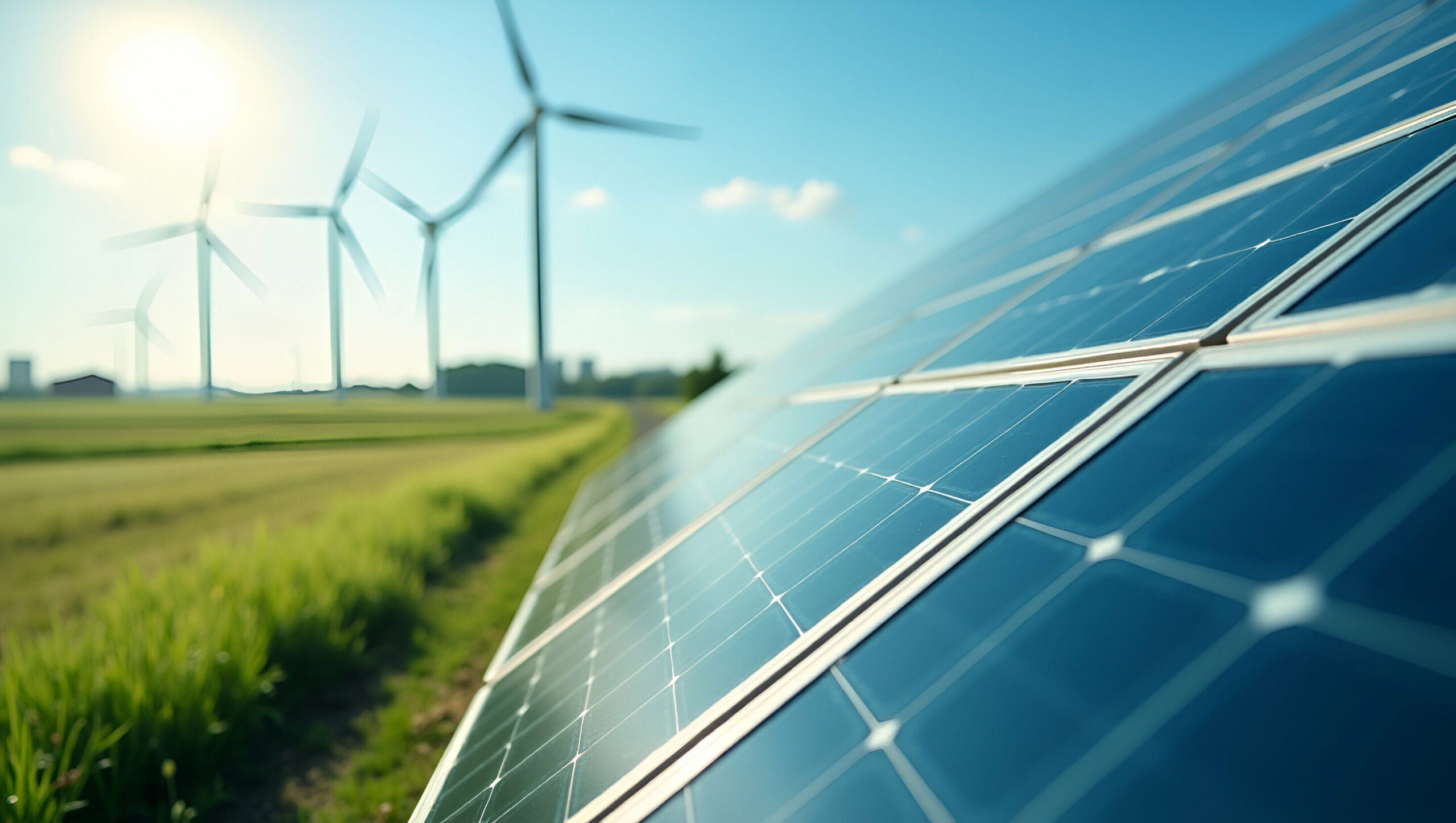
Flexible energy enables better use of renewable energy sources like wind and solar.
Uses existing resources more efficiently
Improves how existing systems and devices are used across the grid.
How it works
Demand response uses connected technologies to make energy use more flexible and responsive.
When the grid needs support:
- Signals are sent to participating devices
- Devices automatically adjust when and how they use electricity
- Energy demand is reduced or shifted across many locations
These coordinated actions help meet grid needs while maintaining comfort and are always optional – so participants stay in control.
Virtual Power Plant
A Virtual Power Plant (VPP) connects many distributed energy resources – like thermostats, EVs, batteries and water heaters – into a single, coordinated network. Together, these resources act like a flexible power plant, delivering reliable support to the grid without centralized generation.
Learn more about our VPP: Flex.
DERMS
Distributed Energy Resource Management Systems (DERMS) are the tools that make this coordination possible in a well-orchestrated system.
They help utilities:
- Monitor energy use in real time
- Send signals to the right devices at the right time
- Optimize performance across all connected resources
A network of connected energy resources
Many everyday technologies can support demand response.
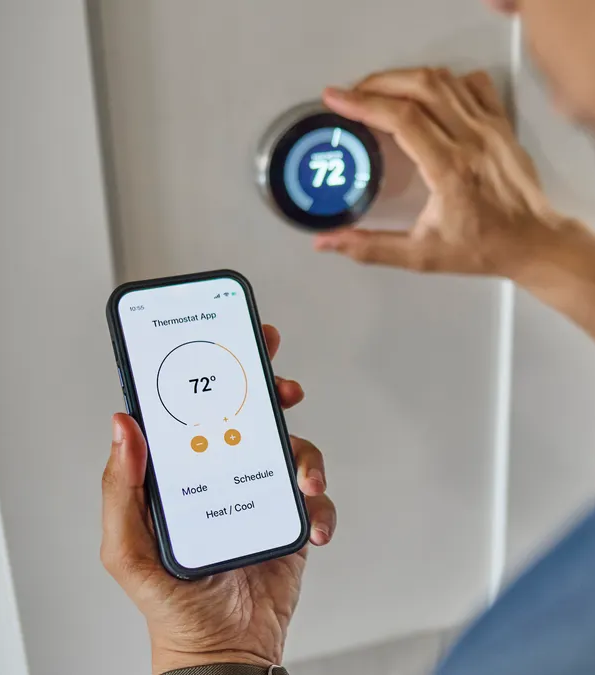
- Smart thermostats can make small, temporary adjustments to heating and cooling systems that reduce peak demand
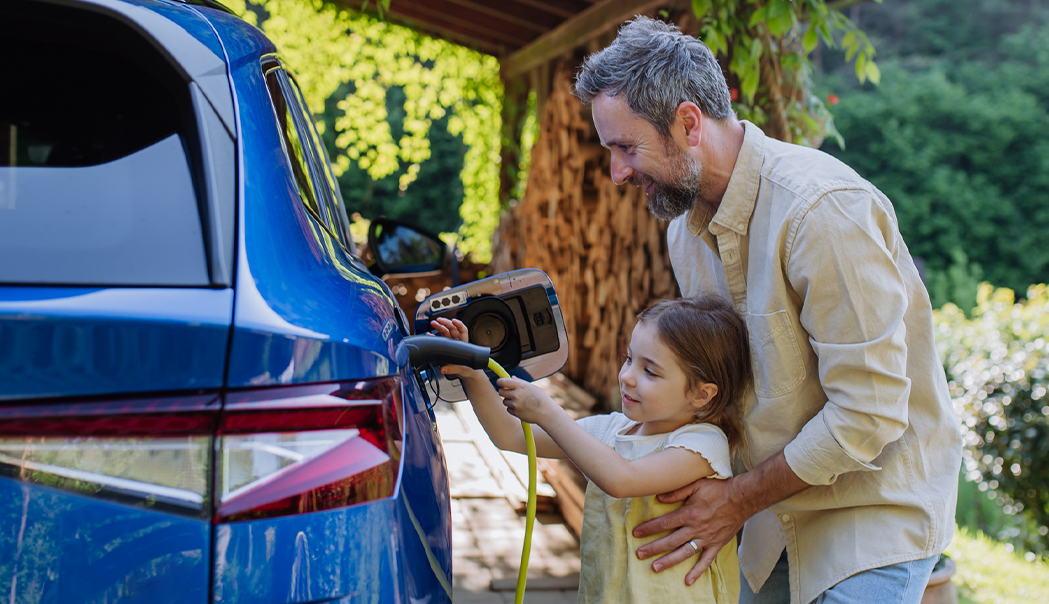
- Electric vehicles can shift charging to off-peak hours
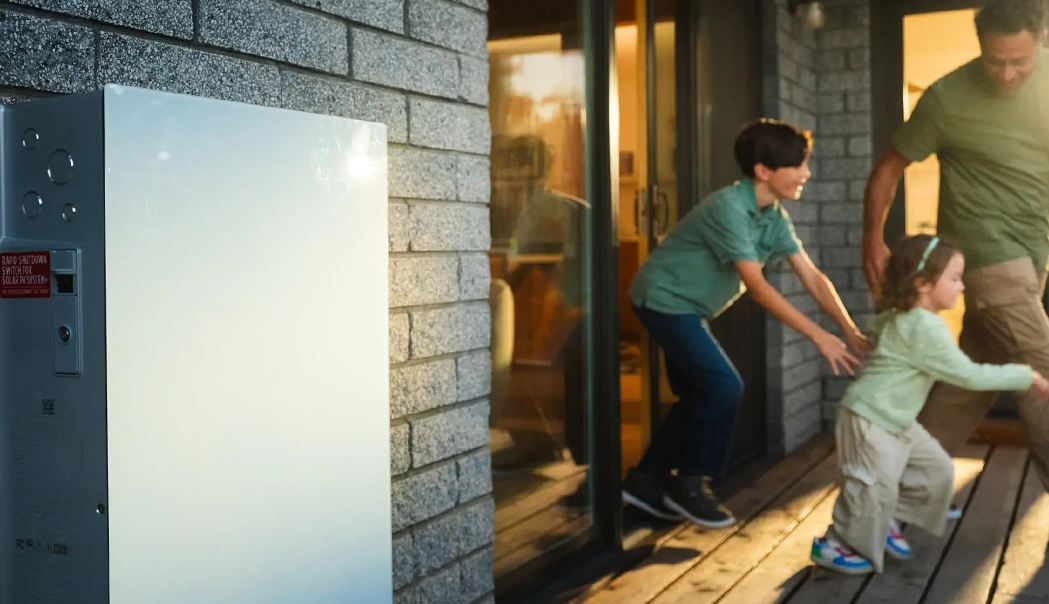
- Battery storage can supply or store energy when needed
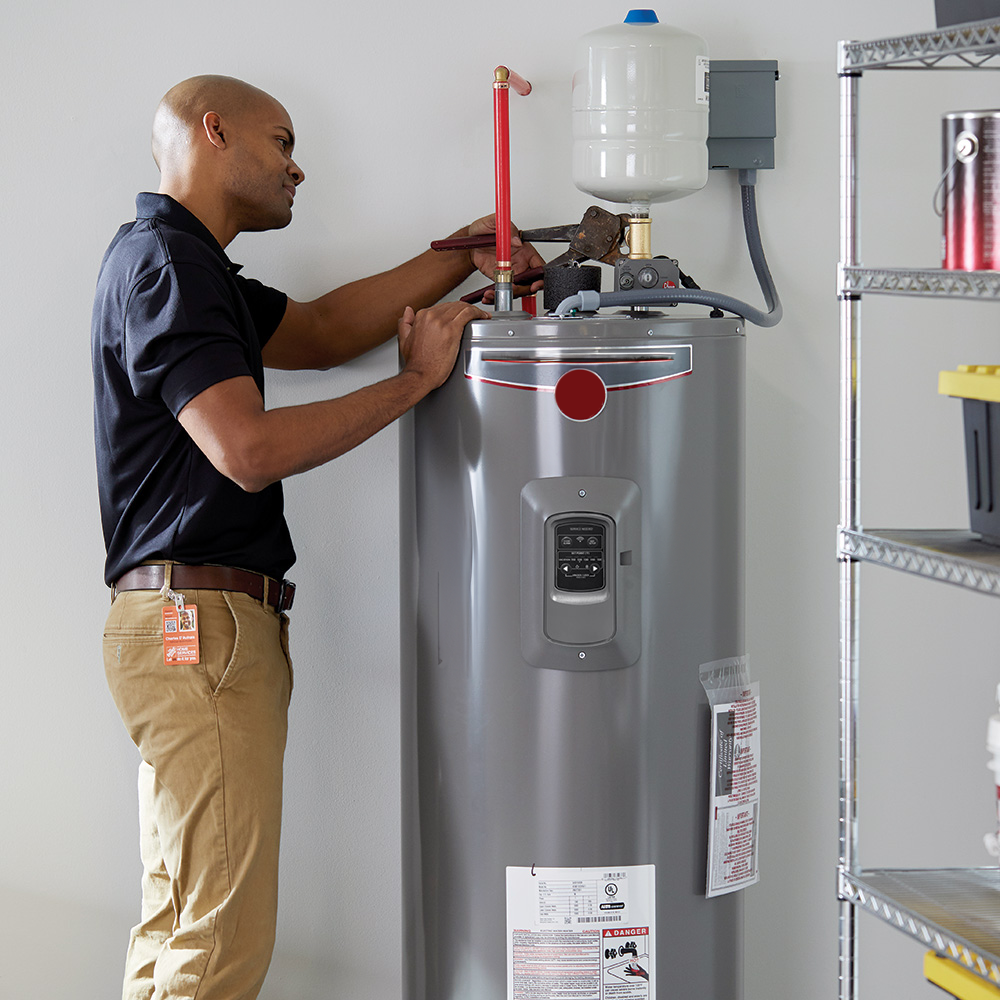
- Water heaters can adjust energy use without affecting availability
- Commercial systems can modify operations or energy usage patterns
Because each resource responds differently – by speed, duration and flexibility – they complement each other across a wide range of grid conditions. Individually, these changes are small – but together, they create a meaningful impact.
Why coordination matters
Not all energy needs are the same. Some require a quick response, while others need sustained or location-specific support.
Coordinating multiple resources allows the system to:
- Respond more quickly and accurately
- Maintain performance over longer periods
- Deliver support where it’s needed most
- Reduce reliance on any single technology
This approach improves overall efficiency and reliability.

Coordinated energy response (pending)


Looking ahead
As more homes and businesses adopt connected technologies, the opportunity to work together grows. Demand response programs – and the systems that support them – are helping build a more flexible, resilient and sustainable energy future for our communities.

